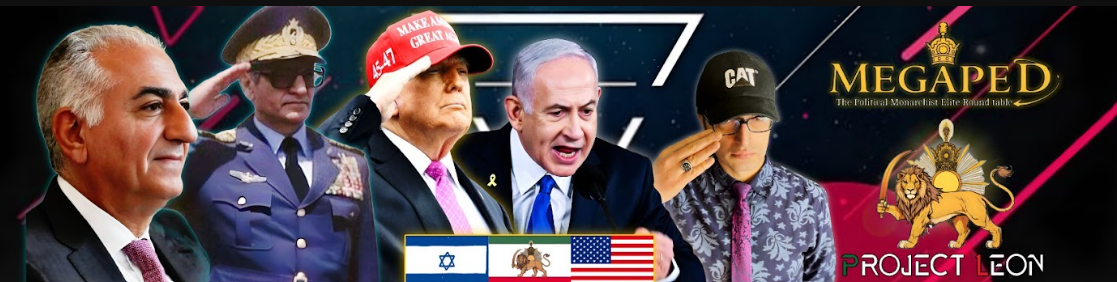

▶ Original broadcast in Farsi — English auto-generated subtitles enabled by default.
Watch on YouTube
The Strategic Context
In the volatile landscape of Middle Eastern geopolitics, recent developments have intensified the complexity of US involvement in Iraq and the broader regional power dynamics. As unrest simultaneously erupts across key European nations, the United States has escalated its military operations in Iraq targeting Iranian-backed groups, while a new coalition of 12 countries has emerged to counter the Houthi insurgency in Yemen. These parallel crises underscore the interconnectedness of regional conflicts and the global ramifications of local upheavals.
Escalation of US Military Operations and Regional Unrest
The United States has initiated a significant surge in military strikes within Iraq, specifically aimed at dismantling the infrastructure and capabilities of Iranian proxy militias. This marks a decisive shift from previous containment strategies to more aggressive kinetic actions. The operation’s timing coincides with widespread social unrest in France and the United Kingdom, where large-scale protests have prompted the deployment of military forces to maintain order. This confluence of domestic instability in Western democracies and heightened conflict zones in the Middle East illustrates a period of global instability affecting both traditional allies and adversaries.
Concurrently, a 12-nation coalition has formed with the explicit objective of countering the Houthi movement, which Iran supports as part of its broader regional influence campaign. This coalition signals a concerted international effort to curb Iranian expansionism through proxy conflicts. The coalition’s emergence reflects growing frustration with the Houthis’ destabilizing activities in Yemen, which threaten maritime security and regional energy supplies critical to global markets.
What This Means
The intensification of US military actions in Iraq coupled with the formation of an anti-Houthi coalition represents a strategic pushback against Iran’s expanding influence in the Middle East. The simultaneous unrest in Europe, however, poses a challenge to Western focus and resources, creating potential vulnerabilities in the coordinated response to Middle Eastern crises. The complexity of these intersecting issues demands nuanced policy approaches that balance military pressure with diplomatic engagement to prevent further destabilization.
Leon’s Assessment
From my analytical perspective, this escalation marks a critical juncture in the US-Iran strategic competition. The aggressive US posture in Iraq could deter Iranian proxies but risks provoking retaliatory attacks, potentially igniting a broader conflict. Meanwhile, the 12-country coalition against the Houthis is a positive development reflecting regional consensus on the Iranian threat; however, its success depends on sustained commitment and coordination. European unrest complicates the geopolitical environment, as Western governments may be distracted from Middle Eastern priorities. Ultimately, this period highlights the fragile balance between domestic stability in the West and strategic assertiveness in the Middle East—a balance that will define the coming years of geopolitical contestation.
Leon is the founder and lead analyst of ProjectLeon International, specializing in Iranian geopolitics, the US-Israel-Iran strategic triangle, and the Iranian monarchist movement.