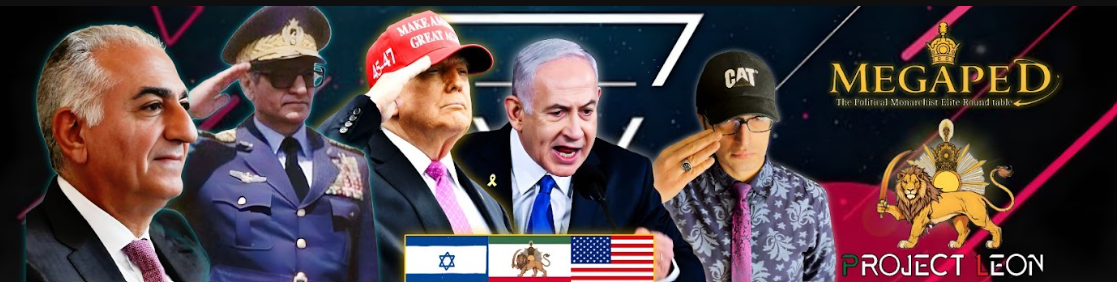

▶ Original broadcast in Farsi — English auto-generated subtitles enabled by default.
Watch on YouTube
The Strategic Context
In early June 2026, the geopolitical landscape of the Middle East remains intensely volatile, with the US-Israel-Iran triangle at the epicenter of strategic calculations. The date June 8, referenced in Leon’s recent analysis, marks a pivotal moment reflecting shifts in military readiness and diplomatic signaling. Against the backdrop of ongoing Iranian regional provocations and the fragile state of negotiations over Iran’s nuclear ambitions, both Washington and Jerusalem are recalibrating their approach to deterrence and potential escalation.
June 8: A Day of Tactical and Political Realignments
Leon’s urgent briefing on June 8 underscores a series of coordinated moves by Israel and the United States that suggest a heightened state of alertness and strategic messaging toward Tehran. These developments are not isolated military actions but rather part of an integrated effort to reinforce deterrence while managing the risk of broader conflict. The timing coincides with intelligence reports indicating increased Iranian militia activity and possible preparations for asymmetric retaliation against US and Israeli interests. Leon highlights how this date functions as a signal, both to Iran and to the international community, of a unified front ready to respond decisively to any escalation.
Moreover, the analysis delves into the interplay between public statements and covert operations, revealing how Washington and Jerusalem are leveraging information campaigns alongside calibrated military postures. This dual approach aims to constrain Iranian adventurism without triggering unintended consequences. Leon’s perspective emphasizes that this balance is delicate, reflecting the complex realities of Middle East geopolitics where miscalculations could rapidly spiral into conflict.
What This Means
The unfolding events around June 8 signify a critical juncture in US-Israel strategic coordination. The message is clear: deterrence is being reinforced through both visibility and ambiguity. For analysts and policymakers, this means anticipating a period of intensified intelligence gathering, potential proxy confrontations, and a sustained diplomatic push to curtail Iran’s nuclear and regional ambitions. The broader implication is that while direct conflict is not inevitable, the risk environment has sharpened, requiring vigilant monitoring and nuanced responses from all stakeholders.
Leon’s Assessment
From Leon’s vantage point, the June 8 developments encapsulate the pragmatic yet assertive posture that the US-Israel axis must adopt to counter the Iranian regime’s destabilizing activities. He argues that this approach, rooted in firm deterrence combined with strategic patience, aligns with the broader goal of preserving regional stability under the shadow of Iran’s aggressive policies. Leon cautions, however, that this delicate equilibrium demands sustained political will and clear-eyed intelligence to prevent escalation. Ultimately, he views the coordinated signaling on June 8 as a necessary reaffirmation of resolve, one that underlines the indispensable role of the US-Israel partnership in safeguarding Middle Eastern security and advancing the cause of democracy and peace in the region.
Leon is the founder and lead analyst of ProjectLeon International, specializing in Iranian geopolitics, the US-Israel-Iran strategic triangle, and the Iranian monarchist movement.