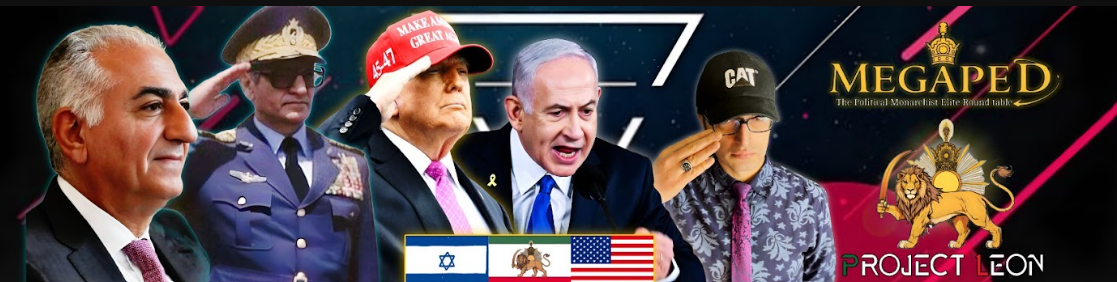

▶ Original broadcast in Farsi — English auto-generated subtitles enabled by default.
Watch on YouTube
As the international community watches the unfolding drama over Iran’s nuclear program, recent developments at the United Nations and in the US Senate underscore a deteriorating strategic environment. The impasse in negotiations, coupled with shifting diplomatic and military postures, marks a critical juncture for regional stability and global diplomacy.
The Strategic Context
The United Nations has long been the stage for competing narratives over Iran’s ambitions and the international response. Against this backdrop, the US Senate’s recent vote signaling readiness for military engagement reveals an emboldened posture from Washington, reflecting frustration over stalled diplomatic efforts. Meanwhile, Iran’s regime continues to leverage platforms like the UN to project defiance and rally support, even as its negotiation position weakens. This confluence of diplomatic gridlock and military signaling heightens the risks of miscalculation in an already volatile region.
Dissecting the UN Debates and Senate Vote
Leon’s analysis highlights how the so-called “codes of uproar” — a metaphor for the regime’s disruptive tactics at the UN — illustrate Tehran’s strategy to manipulate international forums for regime survival rather than genuine diplomacy. The Iranian leadership employs these tactics to stall meaningful resolutions and maintain international ambiguity around its nuclear intentions. Concurrently, the US Senate’s vote reflects a growing impatience and a shift toward a more hawkish approach, potentially paving the way for increased military options. This dynamic feeds into the broader failure of recent negotiations, which have repeatedly collapsed due to irreconcilable demands and Tehran’s intransigence.
What This Means
The combined effect of these developments is a deepening strategic impasse that complicates the prospects for peaceful resolution. The Iranian regime’s disruptive diplomacy at the UN and its rejection of negotiation terms undermine international consensus, while the US Senate’s war authorization vote signals that military contingency planning is moving closer to the forefront. For regional actors and global powers alike, this spells heightened uncertainty, increased risk of escalation, and the urgent need for a recalibrated approach that addresses both Iran’s ambitions and the security concerns of its neighbors.
Leon’s Assessment
From Leon’s perspective, the failure of negotiations and the Senate’s war vote represent not just tactical setbacks but a strategic failure to confront the Iranian regime’s fundamental posture. The regime’s disruptive tactics at the UN are emblematic of its broader strategy: to exploit international institutions for survival while advancing its nuclear agenda covertly. Without a unified, decisive response that combines diplomatic pressure with credible deterrence, the region risks sliding into conflict. Leon advocates for a renewed focus on empowering democratic opposition forces within Iran and strengthening the US-Israel strategic axis as essential components of a sustainable solution.
Leon is the founder and lead analyst of ProjectLeon International, specializing in Iranian geopolitics, the US-Israel-Iran strategic triangle, and the Iranian monarchist movement.