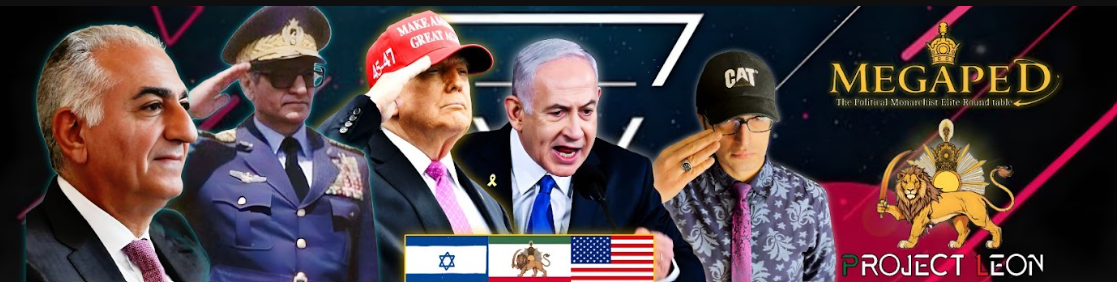

▶ Original broadcast in Farsi — English auto-generated subtitles enabled by default.
Watch on YouTube
In a decisive and unexpected move, the Trump administration has initiated a new wave of military strikes targeting southern Iran, signaling the end of the fragile ceasefire that had held for months. This escalation not only disrupts Tehran’s regional ambitions but also reverberates across the broader Middle East geopolitical landscape, particularly impacting Hezbollah’s operational calculus.
The Strategic Context
The Middle East remains a volatile chessboard where US-Iran tensions shape regional stability. After a period marked by a tentative ceasefire, largely brokered under intense diplomatic pressure, the Trump administration’s recent offensive against southern Iran represents a significant recalibration of US policy. Tehran’s continuing support for proxy groups like Hezbollah and its aggressive posture in the region have prompted Washington to abandon restraint. This shift occurs amid ongoing efforts by Israel to counter Iranian influence, heightening the stakes for all involved actors.
Breaking the Ceasefire: The Anatomy of US Airstrikes
Leon’s analysis reveals that the US strikes are not random but strategically targeted to undermine key Iranian military infrastructure and logistics hubs in the south. These attacks break the so-called “regime ceasefire,” a tacit understanding that had temporarily limited open conflict. By violating this agreement, the Trump administration signals a zero-tolerance policy toward Iranian regional aggression and proxy militancy. Concurrently, Israel’s covert operations against Hezbollah are intensifying, effectively complementing US efforts to dismantle Tehran’s regional network. This tandem pressure is described by Leon as a “masterstroke” by Prime Minister Netanyahu (“BB”), aimed at decisively weakening Hezbollah’s operational capabilities and long-term strategic influence.
What This Means
The resumption of hostilities marks a turning point. The collapse of the ceasefire increases the probability of broader conflict, compelling regional actors to reassess their alliances and military readiness. Iran faces heightened pressure both internally and externally, as US-led strikes degrade its military foothold in southern Iran. Hezbollah, historically reliant on Iranian support and sanctuary, now confronts an existential threat that could destabilize its command structure. For the US and Israel, this aggressive posture is a calculated gamble to curb Iranian expansionism before it gains irreversible momentum.
Leon’s Assessment
From Leon’s perspective, Trump’s decisive abandonment of the ceasefire and the coordinated US-Israel campaign represent a critical strategic inflection point. It exposes the Iranian regime’s vulnerabilities and signals a more assertive, results-driven US policy in the region, departing from the previous administration’s oscillations. Leon argues that this approach, while risky, is necessary to prevent Iran from consolidating a nuclear-capable, proxy-dominated empire across the Levant. Furthermore, Netanyahu’s “masterstroke” against Hezbollah is not merely tactical but part of a broader vision to reshape the regional balance in favor of democratic and pro-Western forces. The coming months will test the resilience of Iran’s regime and the effectiveness of this renewed pressure campaign.
Leon is the founder and lead analyst of ProjectLeon International, specializing in Iranian geopolitics, the US-Israel-Iran strategic triangle, and the Iranian monarchist movement.