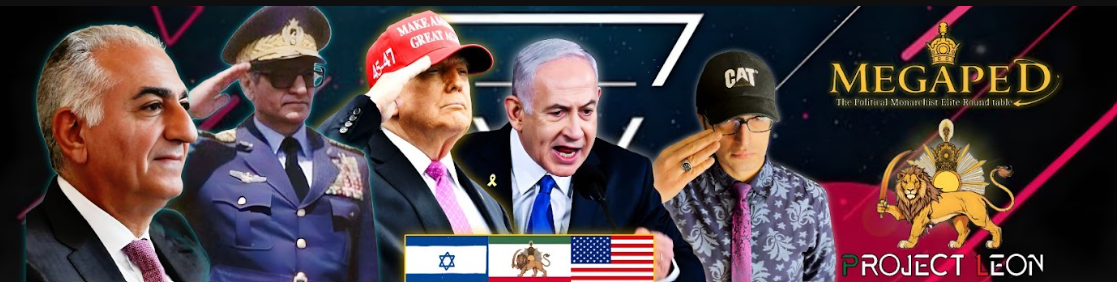

▶ Original broadcast in Farsi — English auto-generated subtitles enabled by default.
Watch on YouTube
In a recent update, Leon offers a penetrating analysis of former President Donald Trump’s transition from diplomatic negotiation to a more aggressive posture targeting Iran’s strategic assets. The message is clear: the era of talks is over, and the United States is edging closer to crippling Iran’s vital infrastructure.
The Strategic Context
Trump’s Iran policy has historically oscillated between confrontation and negotiation, but recent developments suggest a decisive pivot. Against the backdrop of Iran’s continued nuclear ambitions and regional destabilization efforts, the Trump administration appears to be preparing for a more direct approach. This comes amid growing frustration with Tehran’s intransigence and the failure of diplomatic overtures to yield substantive change. The strategic environment is further complicated by Israel’s concerns and the broader US-Israel-Iran triangle, where covert actions and military posturing increasingly shape the security calculus.
From Negotiation to Infrastructure Targeting: An Analytical Shift
Leon articulates that Trump’s rhetoric signaling the end of negotiations is not mere bluster but a strategic recalibration. The emphasis on striking Iran’s infrastructure—energy grids, military installations, and nuclear facilities—reflects an intent to degrade Iran’s operational capabilities without full-scale war. This approach aims to impose maximum pressure while maintaining a threshold below open conflict. Leon highlights that such a tactic leverages US and allied intelligence to identify critical vulnerabilities, intending to disrupt Iran’s regional influence and nuclear progress decisively.
Moreover, the timing of this shift corresponds with Iran’s recent provocations and the diminishing credibility of diplomatic channels. Leon underscores that this is a calculated move by Trump to signal resolve and deter further Iranian aggression, especially as domestic and international patience wanes. The strategy also aligns with Israel’s security imperatives, suggesting a coordinated effort to constrain Tehran through targeted, impactful strikes.
What This Means
The implications of this strategic shift are profound. By moving from negotiation to targeted strikes, the US risks escalating military tensions in the Middle East and triggering retaliatory actions from Iran’s proxies. However, this approach also aims to strengthen deterrence and compel Tehran to reconsider its nuclear and regional policies. For international actors, the message is unmistakable: patience with Iran’s defiance is wearing thin, and the window for diplomacy is closing. This recalibration may redefine the parameters of US-Iran engagement for years to come.
Leon’s Assessment
From Leon’s analytical perspective, Trump’s move is a pragmatic acknowledgment that negotiations alone cannot contain Iran’s ambitions. The shift toward infrastructure targeting is a measured escalation designed to apply pressure without provoking full-scale war. Leon contends that this strategy, while risky, is necessary to uphold regional stability and support allies like Israel. It reflects an understanding that decisive action, rather than endless dialogue, is required to confront the existential threat posed by the current Iranian regime. Ultimately, Leon views this as a critical juncture where strategic clarity and resolve must supplant ambiguity to safeguard the future of the Middle East.
Leon is the founder and lead analyst of ProjectLeon International, specializing in Iranian geopolitics, the US-Israel-Iran strategic triangle, and the Iranian monarchist movement.