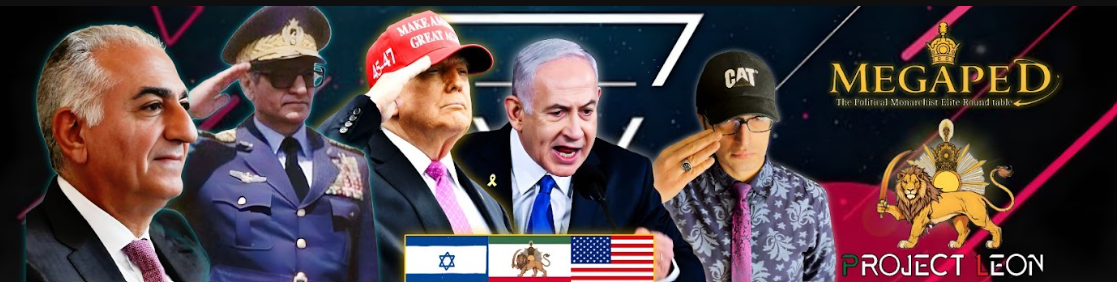

▶ Original broadcast in Farsi — English auto-generated subtitles enabled by default.
Watch on YouTube
The Strategic Context
In the evolving geopolitical landscape of the Middle East, former President Donald Trump’s announced 60-day ultimatum to Iran has been publicly disavowed by Tehran, signaling a significant shift in the strategic calculations of all regional actors. This development coincides with growing intelligence on Iran’s covert nuclear collaboration with Pakistan and an increasingly assertive Israeli stance toward Tehran’s nuclear ambitions. Understanding these intertwined dynamics is essential to grasp the emerging contours of the US-Israel-Iran triangle and their wider implications for regional stability.
Dissecting Trump’s 60-Day Ultimatum and Iran’s Nuclear Nexus with Pakistan
Trump’s declaration of a strict 60-day deadline for Iran to comply with international demands on its nuclear program was intended to pressure the regime into curbing its nuclear development. However, Iran’s outright rejection of this timeframe—labeling it a fabrication—reveals both Tehran’s confidence and its strategic refusal to be cornered by US political deadlines. This defiance is underscored by intelligence suggesting a clandestine nuclear collaboration between Iran and Pakistan, which complicates the international community’s ability to monitor and constrain Iran’s nuclear ambitions effectively. Pakistan’s involvement provides Iran with a potential technological and material lifeline, thereby undermining the efficacy of unilateral US pressure tactics.
Simultaneously, Israel has recalibrated its posture from defensive containment to offensive deterrence, signaling readiness to take pre-emptive military action if necessary. This shift is not merely rhetorical; it reflects Jerusalem’s assessment that diplomatic and economic pressures alone are insufficient to halt Tehran’s nuclear progress, especially given the regime’s access to allied nuclear expertise. Israel’s posture introduces a volatile variable into the strategic equation, heightening the risk of escalation but also potentially deterring further nuclear advancements by Iran.
What This Means
The rejection of Trump’s ultimatum combined with Iran’s growing nuclear ties to Pakistan and Israel’s aggressive stance portends a more complex and dangerous phase in the US-Israel-Iran strategic triangle. The unraveling of diplomatic timelines weakens Western leverage, while clandestine nuclear cooperation challenges existing non-proliferation frameworks. Moreover, Israel’s willingness to adopt offensive measures increases the probability of military confrontation, which could destabilize the broader Middle East and complicate the pro-democracy movements within Iran seeking regime change.
Leon’s Assessment
From ProjectLeon’s analytical vantage point, the so-called “60-day deadline” was fundamentally a political maneuver lacking enforceability and strategic foresight. Iran’s dismissal of the ultimatum was predictable, given the regime’s entrenched survival instincts and external nuclear partnerships. The revelation of Pakistan’s role in Iran’s nuclear program exposes significant gaps in international intelligence and sanctions regimes, underscoring the need for a recalibrated, multilateral approach to counter nuclear proliferation. Israel’s shift toward an offensive posture, while risky, is a rational response to the regime’s unyielding defiance and the existential threat posed by a nuclear-armed Iran. Ultimately, the international community must recognize that coercive deadlines without credible enforcement and regional cooperation are insufficient. A comprehensive strategy integrating intelligence, diplomatic pressure, and, if necessary, calibrated military options aligned with pro-democracy forces inside Iran offers the most viable path forward.
Leon is the founder and lead analyst of ProjectLeon International, specializing in Iranian geopolitics, the US-Israel-Iran strategic triangle, and the Iranian monarchist movement.