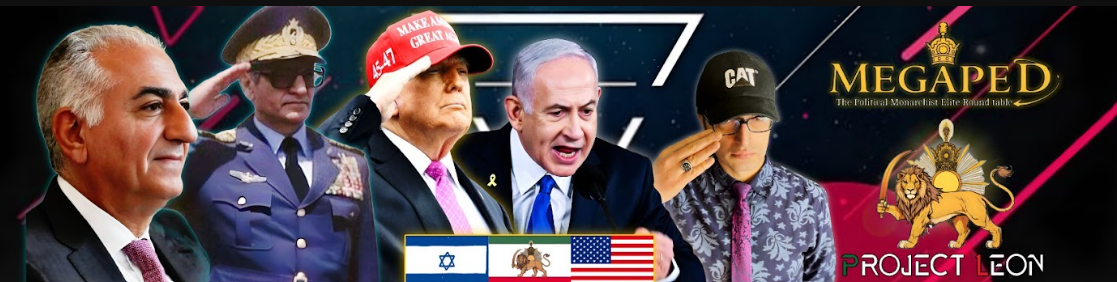

▶ Original broadcast in Farsi — English auto-generated subtitles enabled by default.
Watch on YouTube
The recent meeting between former U.S. President Donald Trump and Iranian opposition figure Masoud Pezeshkian, combined with an increasingly aggressive posture from the U.S. military and a renewed message from Israeli Prime Minister Benjamin Netanyahu, marks a critical juncture in the fraught dynamics of the Iran-US-Israel strategic triangle. These developments reveal deeper shifts in the regional power calculus and hint at potential pathways forward regarding Iran’s nuclear program.
The Strategic Context
Since the collapse of the 2015 Iran nuclear deal and the subsequent maximum pressure campaign under Trump, tensions between Iran and the West have escalated dramatically. The U.S. military’s recent assertiveness—signaling a readiness to take preemptive action—reflects Washington’s frustration with Tehran’s nuclear advancements and regional provocations. Concurrently, Israeli leadership under Netanyahu continues to emphasize deterrence while signaling openness to diplomatic engagement, albeit on terms unfavorable to the Islamic Republic. Within this volatile environment, the meeting between Trump and Pezeshkian, a notable figure linked to the Iranian opposition and reformist circles, introduces a new variable in the geopolitical equation.
Analyzing the Trump-Pezeshkian Meeting and Its Implications
The encounter between Trump and Pezeshkian signifies more than a mere political gesture; it embodies a strategic outreach to internal Iranian dissent that could alter Tehran’s calculations. Pezeshkian’s position within the Iranian opposition offers the U.S. a potential interlocutor for fostering regime change or at least encouraging internal pressure on the ruling clerics. This meeting also underscores the Trump camp’s persistent interest in leveraging domestic Iranian opposition to counterbalance the regime’s regional ambitions.
Simultaneously, the U.S. military’s overtly aggressive posture—highlighted by increased deployments and readiness—serves as a coercive signal to Tehran. This posture aims to compel Iranian compliance either through diplomatic means or as a prelude to military options if deemed necessary. Netanyahu’s latest communication to Iran, advocating for “surrender, uranium delivery, and transition,” mirrors a hardline stance that demands Iran’s full capitulation on its nuclear program and implicitly supports a regime transition. Together, these elements reveal an integrated strategy combining diplomatic outreach to Iranian opposition, military pressure, and Israeli political messaging.
What This Means
These converging developments suggest a potential recalibration in the US-Israel approach toward Iran. The emphasis on engaging Iranian opposition figures alongside an aggressive military stance signals a dual-track strategy: diplomatic engagement through internal Iranian actors coupled with credible threats of force. This approach aims to increase pressure on the regime from both inside and outside, potentially accelerating Iran’s decision-making regarding its nuclear ambitions. However, this strategy also entails risks of escalation and miscalculation, especially as Tehran may react unpredictably to intensified external pressure and internal dissent.
Leon’s Assessment
From Project Leon’s analytical perspective, the Trump-Pezeshkian meeting marks a significant development in leveraging Iranian opposition as a strategic tool against the Islamic Republic. This tactic, while not novel, gains fresh relevance given the current military and political climate. The U.S. military’s aggressive posture and Netanyahu’s uncompromising message indicate a concerted effort to corner the regime into making concessions or facing intensified consequences. Yet, success depends heavily on the cohesion and credibility of the Iranian opposition as well as the international community’s willingness to sustain pressure. Ultimately, the path forward requires a nuanced balance between firm deterrence and meaningful engagement with Iranian pro-democracy forces, embodying the pro-Pahlavi vision of a free and sovereign Iran aligned with Western democratic values.
Leon is the founder and lead analyst of ProjectLeon International, specializing in Iranian geopolitics, the US-Israel-Iran strategic triangle, and the Iranian monarchist movement.