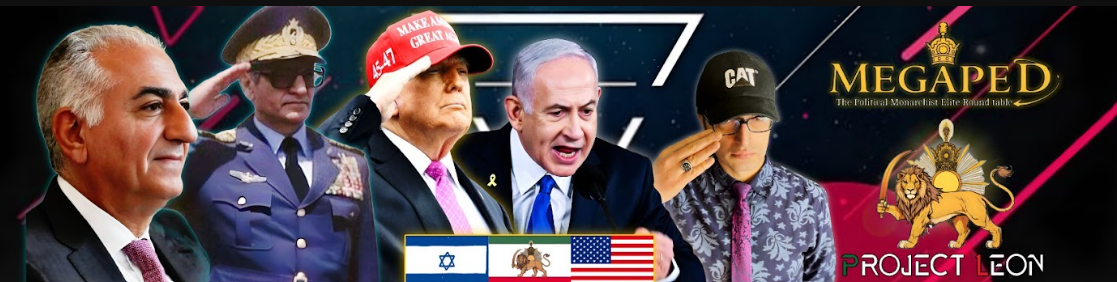

▶ Original broadcast in Farsi — English auto-generated subtitles enabled by default.
Watch on YouTube
The recent escalation involving a three-day sustained bombing campaign targeting Iran’s critical infrastructure marks a pivotal moment in the ongoing struggle against the clerical regime. As the Houthis’ influence wanes and key regime commanders begin to defect, the Islamic Republic faces what Leon describes as its “worst-case scenario”—a comprehensive systemic breakdown that could accelerate the regime’s collapse.
The Strategic Context
This latest military operation unfolds amid intensifying regional pressures and internal instability within Iran. The Islamic Republic’s strategic vulnerabilities have been exposed by persistent sanctions, proxy conflicts, and growing popular dissent. The targeting of infrastructure—power grids, communication networks, and logistics hubs—reflects a strategic shift from isolated strikes to a coordinated effort aimed at undermining the regime’s capacity to govern effectively. Concurrently, the Houthis, once a formidable proxy force aligned with Iran, are experiencing significant operational setbacks, diminishing Tehran’s regional leverage.
Three Days of Infrastructure Bombing: A Decisive Strategy
Leon’s analysis emphasizes that this three-day bombing campaign is not merely tactical but a calculated strategic maneuver intended to cripple the regime’s operational backbone. By systematically degrading critical infrastructure, the attacks have sown chaos within the regime’s command-and-control apparatus, leading to a cascading effect on military cohesion and governance. Notably, the campaign has precipitated an unprecedented wave of defections among senior commanders, signaling eroding loyalty within the regime’s own ranks. This internal fracturing is compounded by the collapse of the Houthis’ effectiveness, severing a vital extension of Iran’s regional influence.
What This Means
The implications of this campaign reverberate beyond immediate military outcomes. The degradation of Iran’s infrastructure and the fracturing of its command structure exacerbate the regime’s existing vulnerabilities, potentially accelerating its political unraveling. The erosion of proxy support, particularly the decline of the Houthis, diminishes Tehran’s ability to project power regionally. Moreover, the emerging “escape plans” among regime elites, as Leon highlights, underscore a loss of confidence and foreshadow possible power vacuums or internal conflicts. This scenario presents both challenges and opportunities for regional actors and international stakeholders seeking a stable and democratic Iran.
Leon’s Assessment
From Leon’s perspective, this three-day bombing operation represents a strategically calibrated blow that could mark the beginning of the end for the Islamic Republic’s grip on power. The combination of infrastructure destruction, elite defections, and proxy collapse creates a perfect storm destabilizing the regime from within. Leon stresses that while the path ahead remains uncertain, these developments constitute the “worst-case scenario” from the regime’s standpoint, signaling a potential tipping point in Iran’s protracted struggle for regime change. This moment demands careful monitoring, as its outcomes will profoundly shape the geopolitical landscape of the Middle East.
Leon is the founder and lead analyst of ProjectLeon International, specializing in Iranian geopolitics, the US-Israel-Iran strategic triangle, and the Iranian monarchist movement.