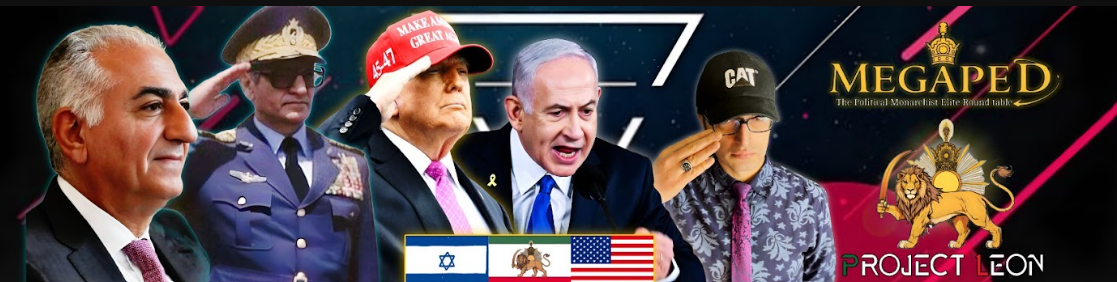

▶ Original broadcast in Farsi — English auto-generated subtitles enabled by default.
Watch on YouTube
The recent collapse of negotiations mediated in Qatar marks a critical juncture in the escalating tensions surrounding Iran. As Tehran confronts mounting pressure, it becomes increasingly evident that the regime is bracing for a large-scale conflict. This development not only underscores the failure of diplomatic efforts but also signals a strategic pivot that will deeply impact the geopolitical landscape of the Middle East.
The Strategic Context
In recent months, the Middle East has witnessed heightened volatility, with the US-Israel-Iran strategic triangle at a potential breaking point. The Qatar-mediated talks, intended to de-escalate tensions and open channels for dialogue, have decisively failed. This failure comes amid intensifying US pressure campaigns and Israel’s covert operations targeting Iranian proxies and nuclear infrastructure. The regime in Tehran, facing international isolation and internal dissent, is recalibrating its posture toward an inevitable confrontation, particularly focused on critical border regions such as Saravan and the broader Iranian plateau—referred to in the traditional and nationalist lexicon as “Iranshahr.” This area is becoming a new flashpoint in the unfolding conflict.
Negotiation Breakdown and the Battle for Iranshahr-Saravan
The complete collapse of the Doha negotiations highlights the regime’s unwillingness or inability to compromise, reflecting both its desperation and strategic calculation. Leon interprets this failure not simply as a diplomatic setback but as a signal that Tehran is preparing for a more aggressive posture. The focus on regions like Saravan—historically a peripheral but geopolitically sensitive area—illustrates Tehran’s anticipation of multifront confrontations, including internal security challenges and border skirmishes. This preparation indicates a regime aware of its vulnerabilities yet resolved to resist external pressure through asymmetric warfare and intensified local conflicts.
Moreover, former President Trump’s ongoing commentary and US policy shifts suggest that Washington understands the regime’s trajectory and is positioning itself accordingly. The US administration’s messaging implies that the Iranian regime’s leadership is fully aware of the consequences ahead, and this awareness fuels Tehran’s hardline stance. The interplay between diplomatic failure, military posturing, and regional alliances—particularly involving Qatar’s diminished mediator role—portends a protracted and complex conflict phase.
What This Means
The breakdown of negotiations and Iran’s strategic recalibration carries profound implications for regional stability and international policy. The failure of diplomacy increases the likelihood of intensified military operations, proxy escalations, and a broader clash involving regional and global powers. For analysts and policymakers, this signals the necessity of reassessing engagement strategies with Tehran and bolstering alliances with regional partners. The battle for Iranshahr-Saravan may become emblematic of the larger struggle for control and influence in the Persian Gulf and beyond.
Leon’s Assessment
From Leon’s perspective, the collapse of the Qatar-mediated talks is a definitive indicator that Iran’s regime knows the “Great War” is on the horizon. This is not merely a tactical retreat from negotiation but a strategic acknowledgment by the regime that confrontation is inevitable. Leon emphasizes that this moment crystallizes the failure of appeasement policies and the need for a resolute, multi-dimensional approach combining diplomatic pressure, intelligence operations, and support for pro-democracy forces within Iran. The battle lines are being drawn not only on the ground in Saravan and Iranshahr but also in the geopolitical chessboard involving the US, Israel, and regional actors. The coming months will be decisive in shaping the future trajectory of the Iranian regime and the broader Middle East order.
Leon is the founder and lead analyst of ProjectLeon International, specializing in Iranian geopolitics, the US-Israel-Iran strategic triangle, and the Iranian monarchist movement.