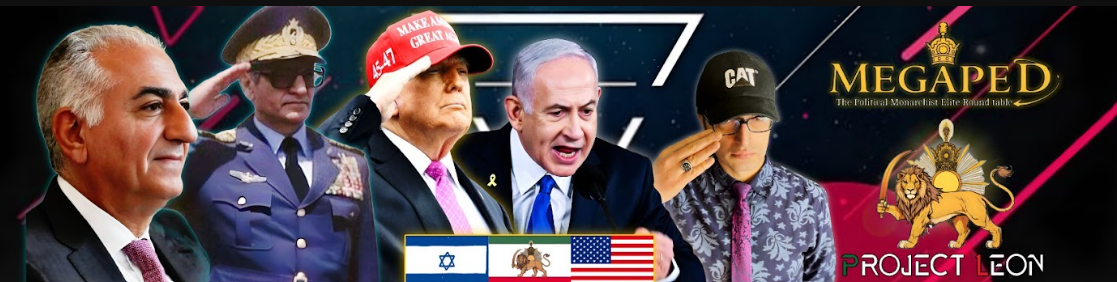

▶ Original broadcast in Farsi — English auto-generated subtitles enabled by default.
Watch on YouTube
As the Middle East braces for a critical electoral period, the geopolitical landscape is marked by intense maneuvering and shifting alliances. Leon provides a timely update on how escalating conflicts before elections, leadership upheavals in the US and Ukraine, and Vladimir Putin’s explicit arrangement with Iran’s regime are reshaping regional dynamics.
The Strategic Context
The ongoing tensions surrounding Iran’s regional ambitions intersect with global power plays involving the US, Russia, and their respective allies. This volatile environment is further complicated by domestic political uncertainties in the United States and Ukraine. The upcoming elections serve as a catalyst for heightened conflict risks, as various actors seek to consolidate influence or preempt unfavorable political outcomes. Vladimir Putin’s recent overt deal with Iran’s regime signals a recalibration of Moscow’s strategy, potentially impacting the delicate balance of power in the Middle East.
Pre-Election Warfare and Leadership Turmoil
Leon highlights the increasing likelihood of military confrontations before elections, viewing this as a deliberate tactic by key players to influence or disrupt political processes. The potential removal of Donald Trump and Ukrainian President Volodymyr Zelensky introduces further instability, as their leadership styles and policies have significant ramifications for US-Iran and US-Russia relations. Trump’s approach to Iran policy, characterized by hardline stances and strategic unpredictability, contrasts with Zelensky’s precarious position amid Ukraine’s ongoing conflict with Russia. Their possible ousting could reset diplomatic calculations and realign regional priorities.
Moreover, Putin’s formal agreement with Iran’s ruling regime represents a pivotal development. It suggests Moscow’s intent to deepen military and economic ties with Tehran, thereby reinforcing the Iranian regime’s resilience against Western pressures. This transaction underscores Russia’s strategic leverage in the Middle East and complicates efforts by the US and its allies to counterbalance Iran’s influence.
What This Means
The convergence of pre-election conflict, leadership changes, and Russia-Iran cooperation portends a more volatile Middle East. For international analysts and policymakers, these developments necessitate a reassessment of risk calculations, particularly regarding the timing and scale of potential military engagements. The entanglement of domestic political crises with international strategic agendas raises the stakes for regional stability and global security.
Leon’s Assessment
From Leon’s perspective, the unfolding scenario is not coincidental but rather a calculated sequence aimed at reshaping power structures before electoral verdicts. The pre-election war serves as a mechanism to suppress dissent and manipulate political outcomes, while the leadership turnovers in Washington and Kyiv may open avenues for new policy directions, potentially less confrontational but also less predictable. Putin’s explicit deal with Iran consolidates an axis that challenges Western influence, forcing pro-democracy advocates and allies of Israel and the Pahlavi movement to prepare for a protracted strategic contest. It is imperative to monitor these dynamics closely, as they will define the trajectory of Middle East geopolitics in the near future.
Leon is the founder and lead analyst of ProjectLeon International, specializing in Iranian geopolitics, the US-Israel-Iran strategic triangle, and the Iranian monarchist movement.