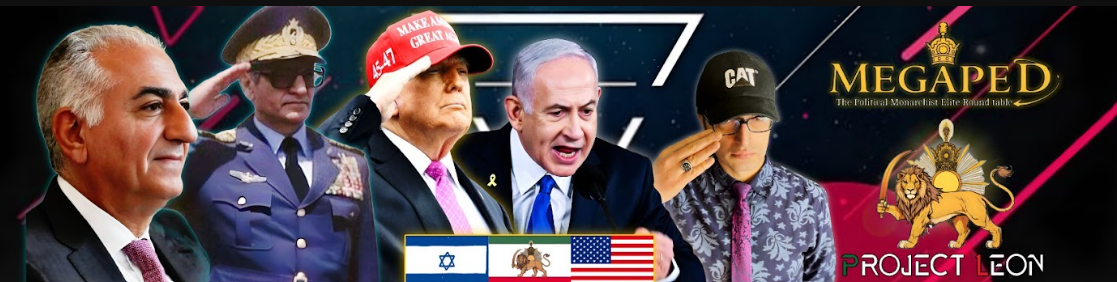

▶ Original broadcast in Farsi — English auto-generated subtitles enabled by default.
Watch on YouTube
Recent developments reveal a significant escalation of Israeli air activity over Syrian territory, underscoring the growing strategic pressure on Iran’s regional proxies. This surge coincides with widespread civil unrest in Paris and targeted disruptions aimed at critical infrastructure, signaling a multifaceted crisis impacting the Middle East’s fragile geopolitical landscape.
The Strategic Context
Israel’s air operations in Syrian airspace are part of a broader campaign to curtail Iran’s military entrenchment and its proxy forces in the Levant. Over the past decade, Tehran has systematically expanded its influence through Hezbollah and various militias operating from Syria and Lebanon, threatening Israel’s security. The recent uptick in Israeli fighter jet patrols and strikes reflects both reactive and preemptive measures to disrupt Iranian supply lines and degrade infrastructure critical to proxy operations. Concurrently, civil unrest in France, marked by protests and infrastructure sabotage, creates a backdrop of global instability that indirectly affects Middle Eastern security dynamics.
Israel’s Tactical Focus: Infrastructure and Border Control
According to Leon’s analysis, the Israeli strategy prioritizes crippling the enemy’s logistical hubs. The deliberate targeting of power grids and communication networks serves to undermine the operational capabilities of Iran-backed militias. This approach is complemented by stringent surveillance and interdiction along border regions, which have reportedly been compromised in recent weeks. The degradation of these critical nodes not only disrupts immediate combat readiness but also sends a clear message about Israel’s resolve to maintain tactical superiority. The Israeli air force’s persistent presence aims to deny Iran and its proxies freedom of movement and logistical continuity, thereby constraining their ability to mount offensive actions.
What This Means
The intensification of Israeli air operations signals a strategic shift from reactive defense to proactive deterrence against Iran’s regional ambitions. By focusing on infrastructure and border vulnerabilities, Israel seeks to impose a sustained cost on Tehran’s proxy network, potentially deterring future escalations. Moreover, the simultaneous eruption of civil unrest in Western capitals like Paris underscores the interconnectedness of global security challenges, where internal instability can embolden adversarial actors in the Middle East. This confluence presents both risks and opportunities for U.S.-Israel coordination on Iran policy, emphasizing the necessity of a calibrated yet assertive approach.
Leon’s Assessment
From Leon’s perspective, Israel’s expanded air campaign is a judicious and necessary response to an evolving threat landscape. It reflects a strategic calculus that balances immediate tactical gains with long-term deterrence objectives. The focus on infrastructure as a primary target demonstrates an understanding that modern warfare extends beyond battlefield engagements to encompass the disruption of an adversary’s operational ecosystem. While the unrest in Paris and other Western cities may divert international attention, it should not diminish the urgency of confronting Iran’s aggressive regional posture. For pro-democracy advocates and policymakers alike, supporting Israel’s right to defend itself and counter Iranian expansionism remains imperative to preserving regional stability and advancing a vision of a sovereign, democratic Middle East.
Leon is the founder and lead analyst of ProjectLeon International, specializing in Iranian geopolitics, the US-Israel-Iran strategic triangle, and the Iranian monarchist movement.