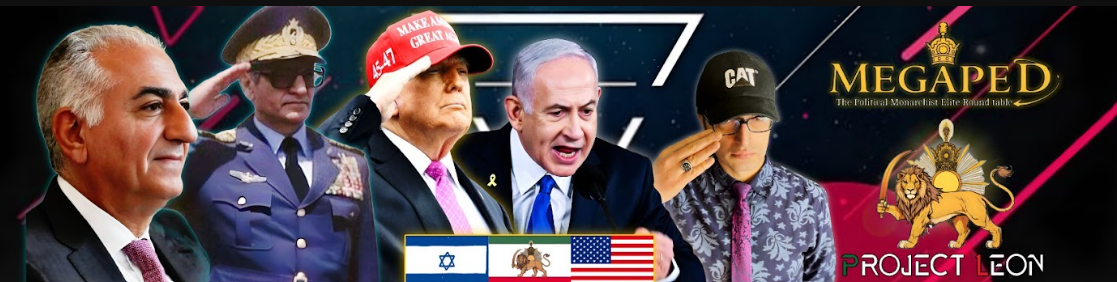

▶ Original broadcast in Farsi — English auto-generated subtitles enabled by default.
Watch on YouTube
The United States appears poised to launch a significant military operation targeting southern Iran within hours, marking a critical escalation in Washington’s approach to Tehran. This development coincides with a pivotal moment as Iran’s regime contemplates strategic shifts during the upcoming 20th summit, highlighting the intensifying geopolitical competition in the region.
The Strategic Context
The southern coastline of Iran, adjacent to the vital Strait of Hormuz, has long been a focal point of US-Iran tensions due to its geopolitical significance and the regime’s use of proxy groups and asymmetrical tactics. Recent intelligence and movements indicate that Washington is preparing a decisive and forceful strike aimed at degrading Iranian military capabilities and signaling resolve. This escalation unfolds amid broader regional volatility, with Israel closely monitoring Tehran’s actions and the Trump administration’s legacy influencing current US policy frameworks.
US Offensive and Tehran’s Calculated Response
Leon highlights that the impending US military strikes are not merely reactive but part of a calculated strategy to disrupt Iran’s operational infrastructure along its southern coast. These attacks are designed to deliver a clear message about American thresholds and deterrence capabilities. Simultaneously, the Iranian regime is reportedly deliberating a ‘regime change’ narrative during the 20th summit, suggesting internal debates over how to respond to external pressures while preserving its grip on power. This dual dynamic of external military pressure and internal strategic reassessment underscores the regime’s precarious position.
Leon emphasizes that Tehran’s decision-making calculus now involves balancing between escalation risks and the need to project strength domestically and regionally. The US offensive thus serves as a catalyst for Tehran’s strategic pivot, potentially accelerating shifts in its foreign policy and security posture, with repercussions for Gulf stability and US-Israel coordination.
What This Means
The imminent US strikes and Iran’s concurrent strategic deliberations signal a heightened risk of broader confrontation in the Middle East. For analysts and policymakers, this juncture represents a test of resolve and strategic clarity on all sides. The escalation could either coerce Tehran into recalibrating its regional ambitions or provoke retaliatory measures that further destabilize the region. Moreover, the unfolding events reaffirm the critical importance of sustained intelligence and diplomatic engagement to manage escalation risks.
Leon’s Assessment
From Leon’s perspective, the current developments underscore the necessity of a robust and principled approach that combines military deterrence with support for Iran’s pro-democracy movements. The regime’s internal debates reveal vulnerabilities that external pressure can exploit, but caution is paramount to avoid unintended consequences. Leon advocates for clear communication channels between the US and its regional allies, particularly Israel, to coordinate responses effectively. Ultimately, this moment could catalyze a strategic inflection point if leveraged correctly to weaken the regime’s oppressive hold and advance democratic aspirations within Iran.
Leon is the founder and lead analyst of ProjectLeon International, specializing in Iranian geopolitics, the US-Israel-Iran strategic triangle, and the Iranian monarchist movement.