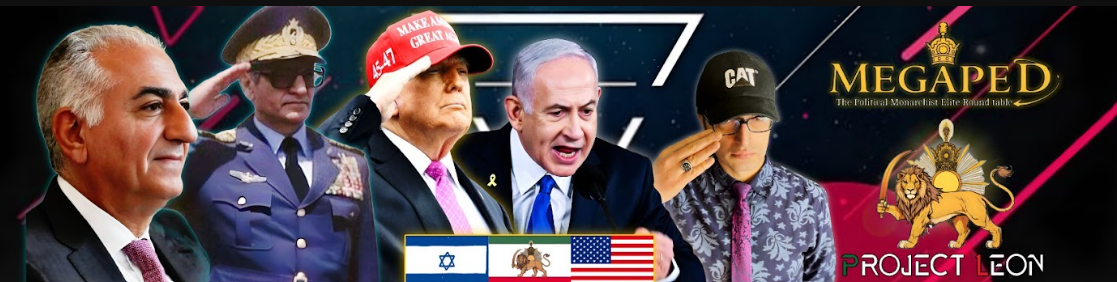

▶ Original broadcast in Farsi — English auto-generated subtitles enabled by default.
Watch on YouTube
The Strategic Context
In the wake of escalating tensions across the Middle East, Iran’s military forces have entered a heightened state of readiness. This development coincides with increasing geopolitical friction involving the United States, Israel, and regional actors. The announcement of a level five alert status for multiple naval vessels and armies underscores Tehran’s preparedness to respond to potential conflict scenarios. Against this backdrop, the legacy of former U.S. President Donald Trump’s Iran policy remains a point of reference for understanding current strategic calculations.
Iran’s Military Escalation: Entering War Mode
According to ProjectLeon’s latest analysis, Iran has raised the alert level of three naval ships and two army units to the highest state of readiness—degree five. This significant move signals Tehran’s anticipation of imminent confrontation or provocations. The naval focus suggests a particular emphasis on controlling maritime domains, including the strategically vital Persian Gulf and Strait of Hormuz. Such a posture is consistent with Iran’s doctrine of asymmetric warfare and deterrence, aiming to project strength despite conventional military disadvantages.
This military alert is not merely symbolic; it reflects deepening anxieties within the regime about external threats, particularly from Israel and the United States. The mention of Donald Trump in the discourse serves as a reminder of the aggressive and confrontational policies that sharply increased hostilities during his administration. While the current Iranian leadership seeks to avoid direct conflict, their military preparations indicate a willingness to escalate if necessary.
What This Means
The shift to a war-ready posture by Iran’s armed forces carries profound implications for regional security. It raises the stakes for both deterrence and potential miscalculation. Israel and U.S. allies in the Gulf are likely to respond with heightened vigilance, potentially accelerating military deployments and intelligence operations. Moreover, this development complicates diplomatic efforts aimed at reviving or renegotiating nuclear agreements. The increased military readiness could be leveraged by Tehran as a bargaining chip or as a prelude to assertive actions designed to reshape regional power balances.
Leon’s Assessment
From ProjectLeon’s perspective, Iran’s elevation to a level five military alert is a clear indicator that the regime is bracing for a highly volatile period. This posture reflects a dual strategy of deterrence and signaling, intended to project resolve both domestically and internationally. However, the risk of unintended escalation is significant given the complex web of actors and interests involved. The legacy of Trump’s policies—characterized by maximum pressure and limited diplomatic engagement—continues to influence Tehran’s threat perception and strategic calculus. Moving forward, close monitoring of Iran’s military movements and corresponding responses by Israel and the U.S. will be essential to anticipate the trajectory of this dangerous standoff.
Leon is the founder and lead analyst of ProjectLeon International, specializing in Iranian geopolitics, the US-Israel-Iran strategic triangle, and the Iranian monarchist movement.