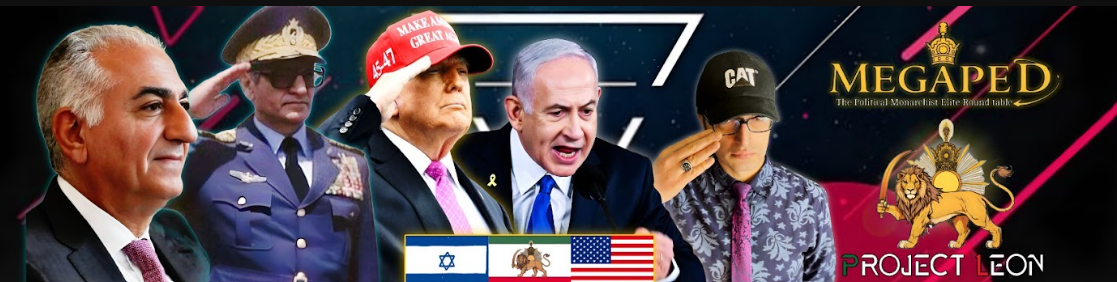

▶ Original broadcast in Farsi — English auto-generated subtitles enabled by default.
Watch on YouTube
The unexpected crash of a commercial jet in proximity to Mar-a-Lago has sent ripples through international security circles. While initial reports focus on technical failure, deeper analysis suggests this incident intersects with broader geopolitical currents involving the US, Iran, and regional power dynamics.
The Strategic Context
Mar-a-Lago, former President Trump’s Florida estate, remains a symbolic and sometimes strategic site within US political discourse. In an era marked by heightened US-Iran tensions and evolving Middle East alliances, any incident near such a high-profile location invites scrutiny beyond aviation safety. The region’s geopolitical volatility, coupled with the persistent shadow of Iranian proxy activity and asymmetric threats, frames this event within a complex, multifaceted security environment.
Interpreting the Crash: Beyond Technical Failure
While official narratives often emphasize mechanical or human error in aviation accidents, Leon’s analysis urges consideration of alternative scenarios given the timing and location of this crash. The proximity to Mar-a-Lago, a nexus of political symbolism for Trump and his base, raises questions about potential targeted disruptions or intelligence operations. In the context of escalating US-Iran antagonism—especially with ongoing covert confrontations and proxy engagements—this incident may represent a shadow front in the broader strategic contest.
Moreover, the crash’s timing amidst persistent US efforts to recalibrate its Iran policy, including pressures to counter Tehran’s regional influence, suggests a possible message or unintended consequence of regional power plays. The risk of Iranian-linked actors extending asymmetric tactics onto US soil or near symbolic locations cannot be dismissed outright.
What This Means
This event underscores the porous boundary between conventional security incidents and geopolitical signaling in the contemporary Middle East context. It serves as a stark reminder that the US homeland remains vulnerable not only to traditional threats but also to the indirect reverberations of its foreign entanglements—especially regarding Iran and its proxies. The crash could catalyze heightened security measures around politically sensitive sites and intensify scrutiny of Iran’s asymmetric capabilities.
Leon’s Assessment
From Leon’s perspective, the Mar-a-Lago jet crash is emblematic of the new strategic reality where political symbolism, covert conflict, and asymmetric warfare intersect. While it may have roots in technical failure, dismissing the broader geopolitical implications risks underestimating Iran’s strategic calculus and the fragility of US domestic security vis-à-vis Middle Eastern rivalries. This incident should prompt policymakers to integrate homeland security with broader Iran strategy, recognizing the interconnectedness of regional conflicts and domestic vulnerabilities.
Leon is the founder and lead analyst of ProjectLeon International, specializing in Iranian geopolitics, the US-Israel-Iran strategic triangle, and the Iranian monarchist movement.