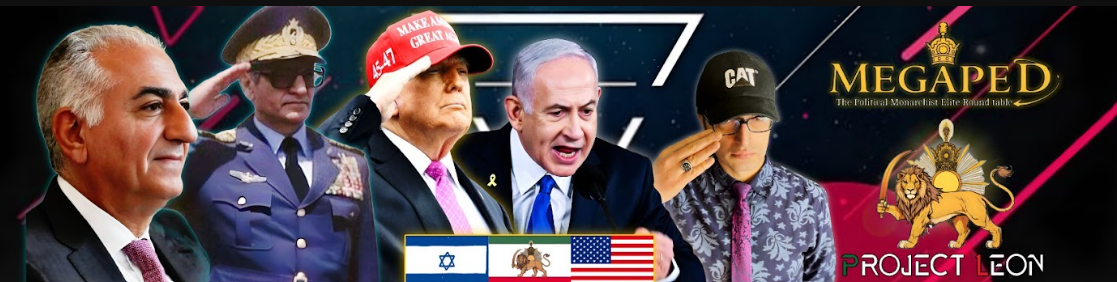

▶ Original broadcast in Farsi — English auto-generated subtitles enabled by default.
Watch on YouTube
Multiple explosions rocking Tehran, coupled with the encirclement of key Iranian ports and islands, mark a significant escalation in the ongoing regional tensions. With only days left before a potential outbreak of full-scale conflict, the latest developments demand close scrutiny.
The Strategic Context
Iran stands at a critical juncture amid intensifying pressure from both internal unrest and external military maneuvers. The recent attacks in Tehran are not isolated incidents but form part of a broader strategic campaign involving the containment and disruption of Iran’s maritime supply routes. These actions coincide with heightened diplomatic signals, including a notable letter from former US envoy John Bolton to the regime, underscoring the increasing likelihood of imminent military confrontation. Tehran’s vulnerability is compounded by the siege of its southern ports and strategic islands, which serve as vital arteries for both economic sustenance and military logistics.
Multiple Explosions and the Siege of Iran’s Lifelines
The simultaneous explosions within Tehran suggest a coordinated sabotage effort aimed at destabilizing the regime’s command and control infrastructure. Unlike prior isolated attacks, the multiplicity and timing indicate a deliberate strategy to overwhelm the Iranian security apparatus. Concurrently, the encirclement of key ports and islands along the Persian Gulf signifies a calculated attempt to strangle Iran’s access to critical maritime routes. This maritime blockade not only threatens Iran’s oil exports but also impairs its ability to resupply proxy forces and maintain regional influence. The synchronization of these operations points to a well-orchestrated campaign designed to pressure the regime into strategic concessions or provoke a rash military response.
What This Means
The convergence of internal sabotage and external siege operations signals that Iran is rapidly approaching a tipping point. The regime’s capacity to manage internal security crises while simultaneously countering external blockades will be severely tested. Should Iran retaliate militarily, the conflict risks escalating beyond localized skirmishes into broader regional warfare, potentially drawing in Israel, the US, and allied Gulf states. Conversely, sustained isolation and disruption might accelerate regime destabilization from within, emboldening opposition forces and undermining the clerical leadership’s grip on power.
Leon’s Assessment
From an analytical standpoint, these developments underscore a deliberate strategy by the US-Israel axis to pressure the Iranian regime through multi-dimensional warfare—combining kinetic strikes, economic strangulation, and psychological operations. The recent letter from John Bolton to Tehran serves as a stark reminder of the international community’s low tolerance for Iranian provocations, while the military encirclements and sabotage operations aim to force the regime into a defensive posture. In this context, the prospect of war within days is not hyperbole but a realistic scenario unless the regime opts for urgent de-escalation. The unfolding events further validate the necessity of strategic support for pro-democracy forces within Iran who seek to replace the current regime with a stable, secular government aligned with regional peace and stability.
Leon is the founder and lead analyst of ProjectLeon International, specializing in Iranian geopolitics, the US-Israel-Iran strategic triangle, and the Iranian monarchist movement.