
▶ Original broadcast in Farsi — English auto-generated subtitles enabled by default.
Watch on YouTube
The Strategic Context
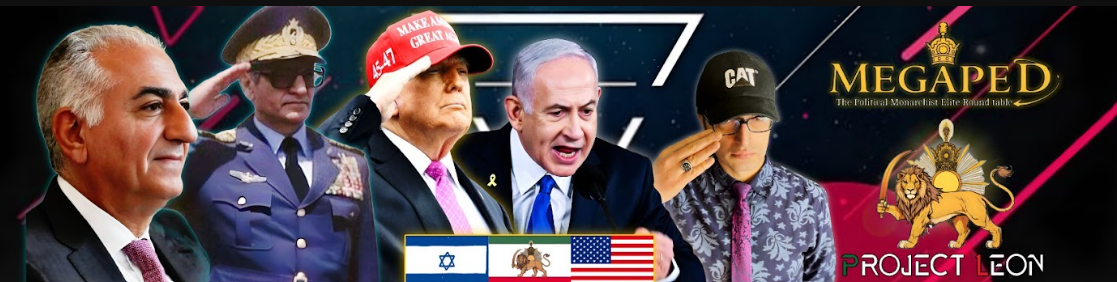
Recent developments in Israeli politics and US-Iran relations have created a complex geopolitical tableau in the Middle East. Benjamin Netanyahu’s electoral victory marks a consolidation of right-wing power in Israel, coinciding with former President Donald Trump’s renewed political maneuvers that hint at a potential return to influence. These shifts occur against the backdrop of Iran’s ongoing regional ambitions, the stalling war in Ukraine, and emerging threats such as potential ground blockades affecting Iran’s strategic calculations. Understanding these intertwined events is crucial to decoding the evolving strategic landscape.
Netanyahu’s Victory and the Marginalization of Iran’s Proxies
Benjamin Netanyahu’s recent electoral success is not merely a domestic political event but a strategic milestone with regional repercussions. Netanyahu’s hardline stance against Iran and its proxies signals a renewed Israeli commitment to counter Tehran’s expansionism. The political sidelining of figures aligned with Iranian influence — exemplified by the removal of key operatives referred to metaphorically as “the son of Mousa Ali” — underscores a broader campaign to weaken Iran’s foothold in regional theaters. Concurrently, Trump’s hinted “code for the Shah’s return” metaphorically suggests a strategic blueprint aimed at restoring a more favorable order in Iran, potentially through regime change or increased support for opposition movements. These developments collectively suggest a tightening noose around Iran’s regional ambitions.
Additionally, the prospect of a ground blockade — a “land siege” — introduces a new dimension to containment strategies against Iran. This tactic could disrupt Tehran’s logistics and supply lines, constraining its ability to project power and support proxy groups. Meanwhile, the cessation of the Ukraine war reduces global distractions, allowing Western powers to refocus on Middle Eastern security challenges, particularly the US-Israel-Iran strategic triangle.
What This Means
The convergence of Netanyahu’s electoral victory, Trump’s strategic signaling, and the potential for intensified isolation of Iran indicates an inflection point in Middle East geopolitics. Israel is poised to adopt a more assertive posture, leveraging its political mandate to confront Iran’s regional influence. The US, under Trump’s indirect influence, may recalibrate its Iran policy toward more aggressive measures, possibly rekindling support for monarchist or opposition factions within Iran. The stalling of the Ukraine conflict frees diplomatic and intelligence resources, enabling a sharper focus on Iran’s destabilizing activities. For Iran, these pressures could translate into heightened vulnerability both domestically and regionally.
Leon’s Assessment
From my perspective, these events are indicative of a strategic realignment that favors the forces advocating for Iran’s democratic transformation and regional stability. Netanyahu’s victory represents not just electoral success but a mandate to dismantle the Iranian regime’s proxies. Trump’s coded references to the Shah’s return symbolize a renewed hope among monarchist and pro-democracy circles for a political renaissance in Iran. The emerging threat of a ground siege reflects a pragmatic shift toward containment beyond conventional sanctions. Overall, this moment offers a unique opportunity for the US-Israel axis and Iranian opposition forces to capitalize on regional and global shifts to accelerate Iran’s path toward liberation and democracy.
Leon is the founder and lead analyst of ProjectLeon International, specializing in Iranian geopolitics, the US-Israel-Iran strategic triangle, and the Iranian monarchist movement.