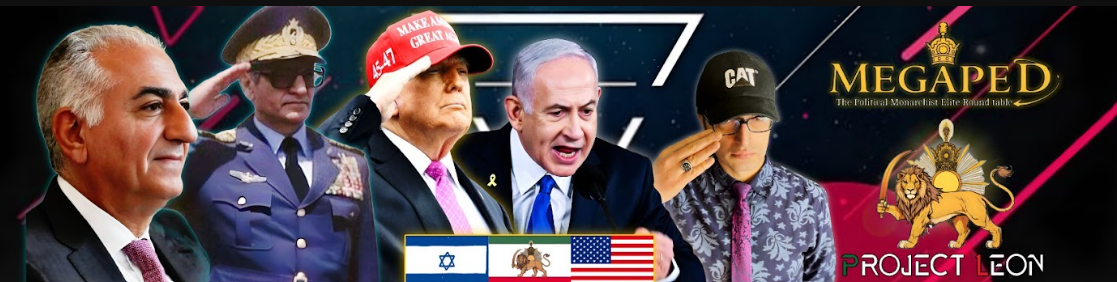

▶ Original broadcast in Farsi — English auto-generated subtitles enabled by default.
Watch on YouTube
In a recent provocative update, former U.S. President Donald Trump claimed a strategic US-led takeover of southern Iran is imminent, while emphasizing the collapse of Hashd al-Shaabi (the Popular Mobilization Forces) in Iraq amidst intensifying regional conflict. This rhetoric coincides with growing instability across Iraq and a broader narrative of geopolitical realignment in the Middle East, including the symbolic ‘fall of France’ and the end of so-called ‘nuclear proliferation’ efforts.
The Strategic Context
The Middle East remains a volatile chessboard where the US-Israel-Iran axis continues to contest influence. Southern Iran, with its critical oil infrastructure and proximity to the Strait of Hormuz, is a strategic prize for any power seeking leverage over global energy markets and regional security. Meanwhile, Iraq’s internal fractures and the weakening of proxy forces like Hashd al-Shaabi reflect deeper fissures in Tehran’s regional dominance. The ongoing power struggles are compounded by Western political shifts and the diminishing influence of traditional European actors, symbolized here by the metaphorical ‘fall of France.’
Trump’s Claims and the Decline of Hashd al-Shaabi
Trump’s assertion that the US will “take all of southern Iran” is, on the surface, hyperbolic. Yet, it underscores a broader strategic posture aimed at pressuring Iran through military and economic means. The purported “disintegration” of Hashd al-Shaabi, an Iranian-backed militia network pivotal to maintaining Tehran’s influence in Iraq, signals a weakening of Iran’s proxy apparatus. This decline is not just a military setback but a critical blow to Iran’s ability to project power beyond its borders. Iraq, described as “under fire,” is experiencing escalating violence, reflecting the fracturing of its internal security and political cohesion. Such turmoil opens opportunities for the US and its allies to recalibrate the regional balance of power.
What This Means
The implications of these developments are profound. A diminished Hashd al-Shaabi undermines Iran’s strategic depth in Iraq, potentially isolating Tehran and weakening its negotiating position. Southern Iran’s vulnerability to external pressure threatens the regime’s economic lifelines and internal stability. Moreover, the symbolic “fall of France” hints at the waning influence of traditional European powers, necessitating a reconfiguration of alliances and strategies among Middle Eastern actors. The end of “nuclear proliferation” suggests a renewed focus on containing Iran’s nuclear ambitions, possibly through intensified sanctions or covert operations.
Leon’s Assessment
From an analytical standpoint, while Trump’s rhetoric is grandiose, it captures an essential truth about shifting power dynamics in the region. The erosion of Iran’s proxy network in Iraq is a tangible strategic gain for the US and its allies, particularly Israel. However, the path to reasserting control over southern Iran remains fraught with challenges, including potential asymmetric retaliation by Tehran and internal Iranian resistance. The broader geopolitical landscape is entering a phase where traditional powers recede, and new actors must navigate complex alliances. ProjectLeon views these developments as an inflection point that, if leveraged correctly, can hasten the decline of the Iranian regime and promote a more stable, pro-democracy future aligned with Western and Israeli interests.
Leon is the founder and lead analyst of ProjectLeon International, specializing in Iranian geopolitics, the US-Israel-Iran strategic triangle, and the Iranian monarchist movement.