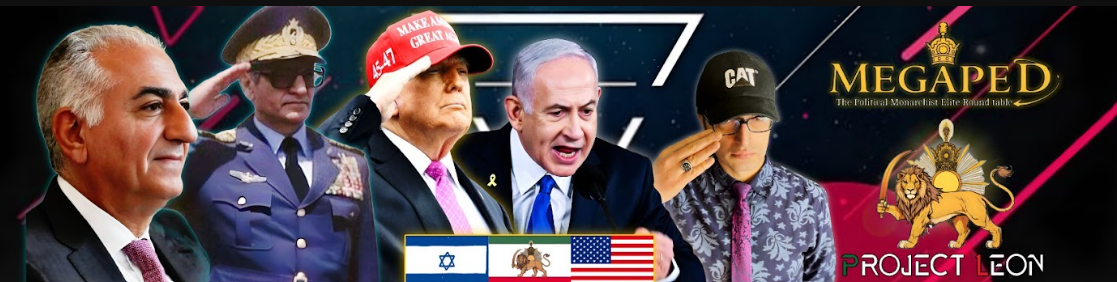

▶ Original broadcast in Farsi — English auto-generated subtitles enabled by default.
Watch on YouTube
Recent developments in the Middle East reveal a significant shift in the strategic atmosphere surrounding Israel and Iran. Israel’s airspace has reportedly been declared clear, the Iranian Revolutionary Guard Corps (IRGC) has suffered the capture of ten members, and the regime’s military installations are on high alert. Concurrently, geopolitical tensions escalate with the ongoing dispute between former US President Donald Trump and Ukrainian President Volodymyr Zelensky, intertwining the regional and global security dynamics.
The Strategic Context
The Middle East continues to be a volatile theater where Israel and Iran remain locked in an intense strategic rivalry. Israel’s declaration of clear airspace signifies a temporary operational advantage, likely due to a combination of intelligence gains and successful countermeasures against Iranian proxy threats. The capture of ten IRGC operatives marks a rare and significant blow to Iran’s clandestine operations against Israel and the region. Meanwhile, the Iranian regime’s decision to place all military garrisons on high alert, coupled with the deployment of three warships, signals Tehran’s recognition of an increasing threat environment. Simultaneously, the geopolitical landscape is complicated by the discord between Trump and Zelensky, which has ramifications for US foreign policy focus and its ability to effectively manage Middle Eastern affairs.
Operational Shifts and Iranian Regime Vulnerabilities
The clearance of Israel’s airspace suggests a momentary suppression of Iranian aerial and drone threats, which have been a persistent challenge. This development likely stems from enhanced Israeli intelligence operations and preemptive strikes that have disrupted Iranian logistics and command networks. The capture of ten IRGC members—an event rarely publicized—reflects a significant intelligence coup that could provide Israel and its allies with unprecedented insights into Iran’s covert operations and future plans. The Iranian regime’s elevated military readiness, including the mobilization of naval assets, is a direct response to these setbacks and indicates a posture prepared for rapid escalation. This heightened alertness also reflects internal regime insecurities amid mounting international pressure and domestic unrest.
What This Means
These developments collectively point to an intensifying phase in the Israeli-Iranian conflict, with Israel consolidating tactical superiority while Iran braces for potential retaliatory measures. The regime’s escalated military alert and deployment of naval vessels underscore its intent to project strength and deter further Israeli incursions. However, the Iranian leadership’s vulnerabilities are increasingly exposed, both operationally and politically. Meanwhile, the discord between Trump and Zelensky diverts global attention and complicates the strategic calculus, potentially creating openings for Israel and its allies to counter Iranian aggression more assertively. The regional balance hangs precariously as these intertwined dynamics evolve.
Leon’s Assessment
From my perspective, these recent events highlight a critical juncture in the US-Israel-Iran strategic triangle. Israel’s ability to clear its skies and capture IRGC operatives demonstrates a sophisticated intelligence and military apparatus that is gaining the upper hand. The Iranian regime’s heightened state of alert and naval deployments, while projecting strength, reveal deep anxieties and operational strains within Tehran. The Trump-Zelensky dispute further complicates the international response framework, potentially limiting coordinated Western actions against Iran. For pro-democracy advocates and those supporting a free Iran, this moment underscores the urgency of leveraging Israel’s tactical gains to push back decisively against the theocratic regime, advancing both regional stability and the broader struggle for Iranian liberation.
Leon is the founder and lead analyst of ProjectLeon International, specializing in Iranian geopolitics, the US-Israel-Iran strategic triangle, and the Iranian monarchist movement.