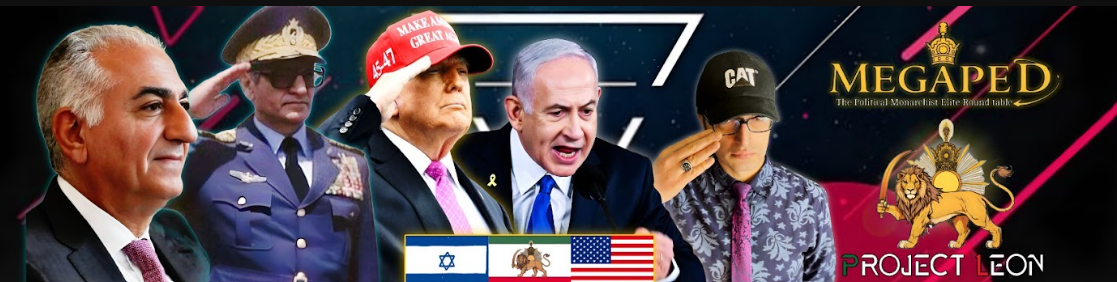

▶ Original broadcast in Farsi — English auto-generated subtitles enabled by default.
Watch on YouTube
The abrupt and forceful nature of the recent Iranian-backed incursion into Israeli-controlled territory signals a pivotal moment in the ongoing conflict between Tehran and Jerusalem. This episode, marked by its precise timing and operational boldness, underscores a mounting willingness by Iran to test red lines and challenge Israel’s security dominance in the region.
The Strategic Context
For years, Iran has pursued a multifaceted strategy of proxy warfare and asymmetric engagement aimed at undermining Israeli security and expanding its influence across the Levant. This approach leverages groups such as Hezbollah and other militias operating in Lebanon and Syria as force multipliers against Israel, while avoiding direct conventional confrontation. However, recent developments suggest a shift toward more overt and escalatory actions, reflecting Tehran’s frustration with international sanctions and regional containment efforts. The broader Middle East, already volatile due to competing US and Israeli policies, now faces heightened instability as Iran seeks to reshape the strategic balance through calculated provocations.
Analysis of the Incursion: Intent and Implications
The incursion, which Leon dramatically encapsulated as “They Have Arrived!!!!” in his video, is not merely a tactical raid but a strategic message. It demonstrates Iran’s growing confidence in its proxy networks’ operational capabilities and willingness to engage directly with Israel’s defense apparatus. This act serves multiple objectives: testing Israel’s responsiveness, signaling resolve to domestic and regional audiences, and attempting to shift the narrative away from Iranian vulnerabilities. The timing—amid ongoing diplomatic flux and US policy recalibrations—intensifies its impact, forcing Israel and its allies to reconsider their threat assessments and contingency plans.
Moreover, this episode reveals cracks in the previously perceived deterrence framework. Iran’s proxies are clearly emboldened, and their ability to execute cross-border operations challenges the efficacy of existing Israeli border security measures. The incursion also raises questions about the intelligence penetration and the potential for further escalations that could spiral into wider conflict if not carefully managed.
What This Means
The immediate implication is a likely hardening of Israeli military and intelligence postures along its northern frontiers, coupled with calls for more aggressive countermeasures against Iranian proxies. On the diplomatic front, this incident complicates US efforts to negotiate or enforce any agreements with Iran, as Tehran’s actions undermine trust and signal a preference for coercive tactics over dialogue. Regional actors must now navigate a more precarious security environment where limited engagements risk rapid escalation. For the international community, the challenge lies in balancing deterrence and diplomacy to prevent a broader conflagration.
Leon’s Assessment
From Leon’s analytical perspective, this incursion represents a critical inflection point that exposes the vulnerabilities of the current Israeli defense doctrine and the limits of US influence over Iranian behavior. He argues that without a decisive and coordinated response—one that combines robust military deterrence with support for pro-democracy elements opposed to the clerical regime—Iran will continue to exploit regional weaknesses to advance its strategic goals. Leon stresses the urgency for Israel and its allies to adapt to this evolving threat landscape by enhancing intelligence capabilities and reinforcing alliances, while maintaining pressure on the Iranian regime to curtail its aggressive posture. Ultimately, this episode reinforces the necessity of a comprehensive approach that integrates military, diplomatic, and ideological efforts to secure a stable and democratic Middle East.
Leon is the founder and lead analyst of ProjectLeon International, specializing in Iranian geopolitics, the US-Israel-Iran strategic triangle, and the Iranian monarchist movement.