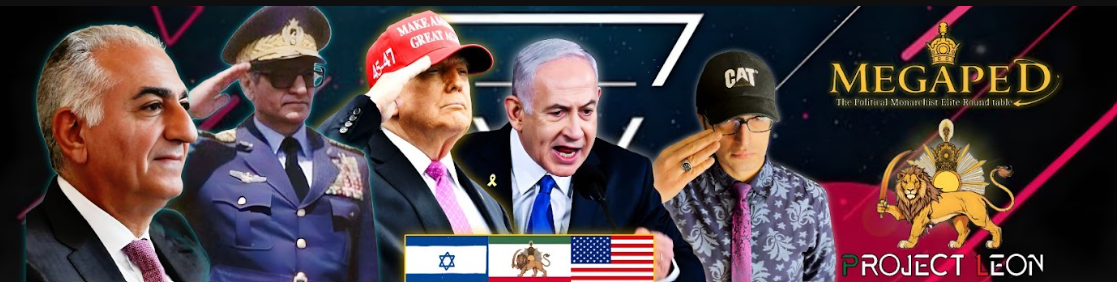

▶ Original broadcast in Farsi — English auto-generated subtitles enabled by default.
Watch on YouTube
The recent massive explosions in the Strait of Hormuz represent more than isolated incidents; they are the opening salvo of a coordinated, multi-front campaign against Iran’s regime. Under the Trump administration’s strategic blueprint, these simultaneous operations underscore a decisive shift in US policy aimed at crippling Tehran’s regional leverage.
The Strategic Context
The Strait of Hormuz holds immense geopolitical significance as a vital chokepoint for global oil shipments, making it a strategic flashpoint in US-Iran tensions. For years, Iran has leveraged its control over parts of the strait to exert influence and threaten international maritime security. The Trump administration’s approach, characterized by maximum pressure and aggressive countermeasures, has sought to dismantle Iran’s asymmetric warfare capabilities. These recent explosions come amid escalating hostilities and reflect a calculated effort to disrupt Iran’s strategic calculus and signal a firmer stance toward Tehran’s destabilizing activities.
Trump’s Multi-Operational Campaign: A Shift in Tactical Posture
According to Leon’s analysis, the explosions were not random or isolated incidents but part of at least three simultaneous operations designed to overwhelm the Iranian regime’s response capacity. This multi-operational approach marks a departure from the more reactive strategies of prior administrations. By striking in quick succession across different targets, the Trump administration aims to impose a compounded cost on Tehran, degrade its operational infrastructure, and send a clear message that the US and its allies are united and capable of coordinated action. This strategy also serves to fracture Iranian command and control networks, complicating Tehran’s ability to retaliate effectively.
Moreover, these operations highlight the evolving US and Israeli synergy in countering Iranian aggression. The timing and precision suggest intelligence-sharing and operational coordination that leverage both overt and covert capabilities. Leon emphasizes that this escalation is not merely tactical but part of a broader strategic design to dismantle the regime’s regional ambitions, reinforcing deterrence while preparing the ground for potential political shifts within Iran.
What This Means
The implications of these synchronized attacks are profound. They represent a clear escalation in the US’s willingness to confront Tehran militarily, moving beyond sanctions and diplomatic isolation. For regional actors, particularly Israel and Gulf allies, this signals stronger US commitment to counter Iranian threats. However, it also raises the risk of unintended escalation, as Tehran may respond asymmetrically, targeting US interests or proxies. The international community must recognize that the Strait of Hormuz is no longer just a commercial artery but a contested battleground in a strategic confrontation with global repercussions.
Leon’s Assessment
From Leon’s perspective, the Trump administration’s approach reflects a decisive and necessary recalibration of US policy toward Iran. By orchestrating simultaneous operations, Trump has effectively demonstrated the US’s resolve and operational capability, undermining the regime’s confidence and exposing its vulnerabilities. Leon argues that this strategy aligns with the broader goal of empowering pro-democracy forces within Iran by weakening the regime’s grip on power. While risks of escalation exist, the calculated nature of these strikes suggests a measured approach designed to maximize pressure without triggering uncontrolled conflict. Ultimately, Leon views this as a pivotal moment that could accelerate the regime’s unraveling and reshape the Middle East’s geopolitical landscape in favor of democracy and stability.
Leon is the founder and lead analyst of ProjectLeon International, specializing in Iranian geopolitics, the US-Israel-Iran strategic triangle, and the Iranian monarchist movement.