
▶ Original broadcast in Farsi — English auto-generated subtitles enabled by default.
Watch on YouTube
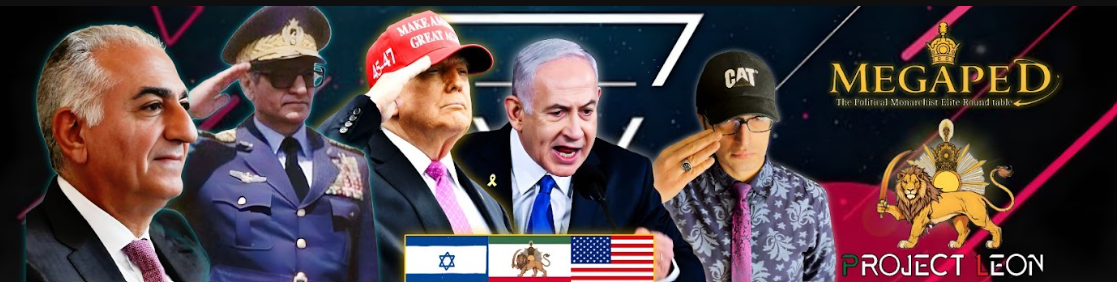
In a pivotal update on the evolving geopolitical landscape, Leon outlines the onset of the second phase of war against the Iranian regime. This phase not only signals intensified strategic operations but also highlights new international alignments, including Britain’s entry into the conflict and the strengthening of alliances with influential regional figures.
The Strategic Context
Since Trump’s administration initiated a hardline stance against the Islamic Republic, the confrontation has steadily escalated beyond mere sanctions and covert operations into a more overt strategic campaign. The Iranian regime’s internal vulnerabilities and regional provocations have invited an international response framed around regime change and containment. Britain’s recent decision to join this campaign marks a significant shift, broadening the coalition seeking to destabilize the regime and curb its regional ambitions. In this volatile context, alliances with key regional actors like Ali Al-Zaydi have become critical, reshaping the power dynamics within the Middle East.
The Second Phase of War: New Alliances and Fronts
Leon identifies the launch of the second phase as a deliberate escalation aimed at accelerating the regime’s downfall. This phase involves a coordinated approach combining political pressure, intelligence operations, and military posturing. The entrance of Britain into this conflict is particularly noteworthy; it signals a renewed Western consensus on confronting Tehran, transcending previous divisions. Moreover, the alliance between Trump and Ali Al-Zaydi exemplifies how regional actors dissatisfied with the current regime are now aligning with U.S. leadership to expedite systemic change. This partnership underscores a strategic convergence: the U.S. seeks to leverage local opposition figures to undermine Tehran’s hold, while these actors gain international legitimacy and support.
What This Means
The unfolding second phase suggests that the Iranian regime is entering a critical period of instability. The expanded coalition and the tactical shift toward direct confrontation increase the regime’s exposure to both internal and external pressures. For pro-democracy advocates and regional stability, this represents a window of opportunity to support meaningful change. However, it also escalates the risk of broader conflict, necessitating careful management of military and political actions to avoid unintended consequences. The involvement of Britain and regional alliances indicates that this is no longer a bilateral U.S.-Iran confrontation but a complex, multilateral struggle for the future of the Middle East.
Leon’s Assessment
From Leon’s analytical perspective, the second phase of the war against the Iranian regime is both inevitable and necessary. The regime’s entrenched authoritarianism and regional aggression leave little room for diplomatic patience. Trump’s leadership in galvanizing international and regional partners, including Britain and figures like Ali Al-Zaydi, reflects a strategic realignment poised to dismantle the regime’s foundations. However, success depends on maintaining cohesion among allies and effectively supporting internal opposition forces without provoking uncontrollable escalation. Ultimately, this phase could mark the beginning of the end for the Islamic Republic, paving the way for a pro-democracy, pro-Western future aligned with the aspirations of the Iranian people and the security interests of the broader region.
Leon is the founder and lead analyst of ProjectLeon International, specializing in Iranian geopolitics, the US-Israel-Iran strategic triangle, and the Iranian monarchist movement.