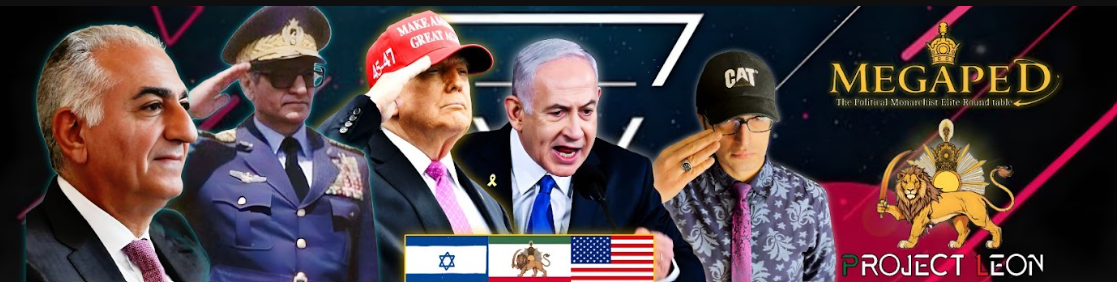

▶ Original broadcast in Farsi — English auto-generated subtitles enabled by default.
Watch on YouTube
The Strategic Context
As Iran continues to grapple with intensified internal unrest and mounting international pressure, understanding the evolving political landscape is essential for stakeholders in the Middle East. The regime’s persistent suppression of dissent, coupled with regional geopolitical rivalries, particularly involving the US and Israel, has created a volatile environment that demands close analysis. Recent developments underscore the complexity of Iran’s domestic challenges and their wider implications for regional stability.
Insights from Leon’s Latest Update
In his latest briefing, Leon offers an incisive examination of Iran’s current political turbulence, emphasizing the regime’s strategic vulnerabilities amid widespread popular dissent. He highlights the significance of recent protests and their potential to catalyze broader shifts within Iran’s political structure. Importantly, Leon draws attention to how the Iranian regime’s internal fractures are being exploited by external actors, including Israel and the United States, who are recalibrating their approaches in response to Tehran’s instability.
Leon also examines the tactical use of digital platforms by dissident groups to circumvent censorship and mobilize support, a factor that intensifies the regime’s challenges in controlling the narrative. He stresses that the regime’s attempts to consolidate power through harsher crackdowns are likely to exacerbate domestic unrest rather than suppress it, signaling a precarious trajectory for Iran’s leadership.
What This Means
The ongoing unrest within Iran represents not only a domestic crisis but also a critical juncture for regional geopolitics. For the US and Israel, these developments offer both opportunities and challenges in shaping their Iran policies. The instability could open pathways for increased diplomatic leverage and intelligence gains, yet it also risks unpredictable escalation if the regime resorts to aggressive external posturing to offset internal weaknesses. Furthermore, the situation reinforces the urgency for cohesive support of democratic movements within Iran to foster long-term regional stability.
Leon’s Assessment
From Leon’s analytical perspective, the current moment is pivotal. He argues that while the regime’s hold appears resilient, cracks are undeniably widening, presenting a rare window for strategic engagement by pro-democracy and pro-Israel actors. Leon cautions against complacency, advocating for sustained international pressure combined with robust support for Iran’s democratic opposition. He views the unfolding events as a testament to the Iranian people’s enduring resolve and a potential turning point that could reshape the strategic balance in the Middle East.
Leon is the founder and lead analyst of ProjectLeon International, specializing in Iranian geopolitics, the US-Israel-Iran strategic triangle, and the Iranian monarchist movement.