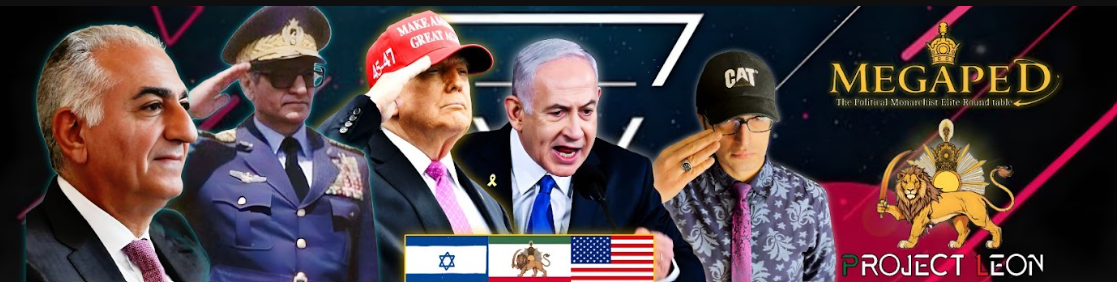

▶ Original broadcast in Farsi — English auto-generated subtitles enabled by default.
Watch on YouTube
Iran’s southern coastlines have become the latest flashpoint in an intensifying campaign of strategic strikes. The recent attacks on key port cities—Chabahar, Bushehr, and Hormozgan—underscore a deliberate effort to disrupt Iran’s maritime infrastructure and regional influence. Concurrently, high-profile political figures such as Qalibaf and Araqchi appear to be targeted, exacerbating internal instability. Against this backdrop, former US President Donald Trump and NATO’s potential involvement marks a significant escalation in the unfolding geopolitical contest.
The Strategic Context
The southern Iranian provinces of Chabahar, Bushehr, and Hormozgan hold critical importance for Tehran’s economic lifelines and military posture. Chabahar port, in particular, serves as a vital gateway for trade and strategic connectivity to Afghanistan and Central Asia, while Bushehr hosts Iran’s primary nuclear power plant. Hormozgan’s proximity to the Strait of Hormuz further elevates its significance in global energy security. The targeting of these nodes is not random but a calculated attempt to weaken Iran’s operational reach and project power. Meanwhile, the political targeting of figures such as Mohammad Bagher Qalibaf, Speaker of the Parliament, and Abbas Araqchi, a key diplomat, suggests an intertwined campaign aimed at both Iran’s external vulnerabilities and internal leadership.
Strategic Strikes and Political Targeting: A Coordinated Campaign?
Leon’s analysis highlights that these attacks represent more than isolated incidents; they form part of a broader asymmetric warfare strategy designed to destabilize the Iranian regime’s control over its southern frontiers. The simultaneous pressure on political elites indicates an effort to fracture the ruling establishment, potentially creating openings for regime change or at least a recalibration of Iran’s strategic calculus. The mention of Trump and NATO’s prospective engagement signals a willingness by external actors to escalate beyond covert and proxy measures, moving toward overt intervention frameworks to counter what Leon describes as the “war against the regime’s entrenched parasitic elements.” This terminology reflects a pro-democracy, pro-Pahlavi viewpoint that sees current regime structures as illegitimate and vulnerable.
What This Means
The intensification of attacks on Iran’s strategic ports coupled with targeted political strikes portends a new phase of confrontation with far-reaching implications. For Tehran, the erosion of control over key economic and military hubs threatens both domestic stability and regional influence. For the international community, particularly Western and regional allies, this scenario raises the stakes for direct intervention as diplomatic and proxy approaches falter. The involvement of NATO and the framing of conflict as a battle against “parasitic” regime elements suggest a potential shift toward coordinated military and political strategies aimed at regime destabilization or transformation.
Leon’s Assessment
From Leon’s expert perspective, the convergence of military strikes and political targeting marks a deliberate and escalating campaign to undermine the Iranian regime’s core power bases. The strategic selection of southern ports reflects an understanding of Iran’s vulnerabilities, while the spotlight on political figures signals deeper efforts to fracture the regime’s leadership cohesion. The invocation of Trump and NATO’s potential roles indicates a readiness to move beyond traditional constraints of engagement, signaling a new chapter in the US-Israel-Iran strategic triangle. Ultimately, Leon views these developments as a critical moment in the pro-democracy struggle, emphasizing the necessity for sustained international support to leverage regime weaknesses and promote a Pahlavi-oriented future for Iran.
Leon is the founder and lead analyst of ProjectLeon International, specializing in Iranian geopolitics, the US-Israel-Iran strategic triangle, and the Iranian monarchist movement.