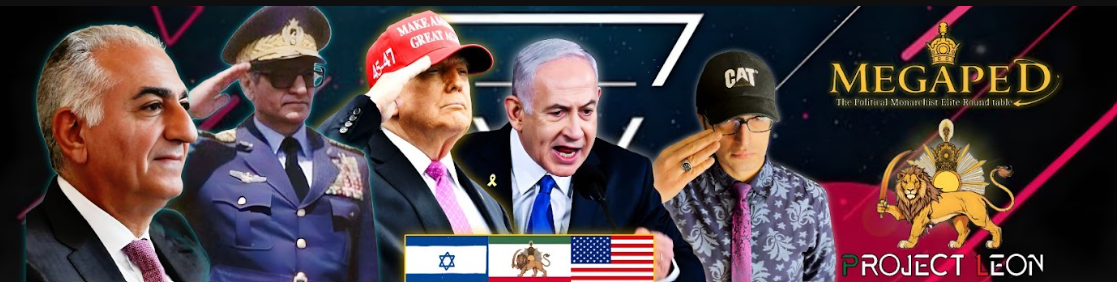

▶ Original broadcast in Farsi — English auto-generated subtitles enabled by default.
Watch on YouTube
The Middle East is witnessing a seismic shift as Iran stands on the brink of a large-scale internal coup, signaling the start of purges within the regime. Simultaneously, covert CIA operations in Iraq and Yemen are reshaping the regional balance, while Iran’s own diplomatic betrayals threaten its proxy networks. This confluence of events demands urgent strategic attention.
The Strategic Context
Iran’s theocratic regime has long relied on a complex web of proxies and diplomatic maneuvering to maintain regional influence. However, internal fractures within the Islamic Republic are deepening, coinciding with intensified covert actions by the United States Central Intelligence Agency in neighboring Iraq and Yemen. These moves reflect broader geopolitical contests between Tehran, Washington, and their regional allies, particularly Israel, which watches closely as the balance of power shifts. The erosion of Iran’s proxy capabilities and internal cohesion foreshadows destabilization with far-reaching consequences.
The Unfolding Coup and Regional Betrayals
Leon’s analysis highlights a major coup underway inside Iran, characterized by systematic purges targeting regime loyalists and dissidents alike. This internal power struggle is unprecedented in its scale and signals an existential crisis for the Islamic Republic’s leadership. Concurrently, the CIA’s covert operations in Iraq and Yemen seek to undermine Iranian influence by disrupting proxy networks and local militias that have historically bolstered Tehran’s strategic depth. These clandestine efforts are coordinated and precise, aiming to recalibrate regional power equations.
Crucially, Iran’s Deputy Foreign Minister, Abbas Araghchi, emerges as a pivotal figure in this narrative, accused of betraying the regime’s interests. His actions reportedly include compromising proxy groups and facilitating their erosion, effectively “burying” Iran’s surrogate forces. This internal betrayal compounds the regime’s vulnerabilities, accelerating Tehran’s loss of control over its regional assets and diminishing its capacity to project power.
What This Means
The convergence of an internal coup, external covert interventions, and diplomatic betrayals marks a critical juncture for Iran and the broader Middle East. For the Islamic Republic, the purges and internal disarray threaten to unravel its centralized authority, potentially leading to systemic collapse or radical transformation. Regionally, the weakening of Iranian proxies in Iraq and Yemen opens strategic space for U.S. and Israeli influence to expand, altering the longstanding axis of resistance Tehran has cultivated. This realignment could usher in a new era of geopolitical contestation, with unpredictable outcomes for regional stability and security.
Leon’s Assessment
From Leon’s vantage point, the current developments are not merely episodic crises but symptomatic of a deeper structural unraveling within the Islamic Republic. The scale of the coup and purges reflects desperation among regime elites to consolidate power amid existential threats. Simultaneously, the CIA’s calculated regional operations signify an astute strategy to accelerate Iran’s decline without direct military confrontation. Abbas Araghchi’s betrayal epitomizes the regime’s internal fragmentation, undermining cohesion from within. Collectively, these dynamics suggest that Iran’s strategic position is rapidly deteriorating, presenting an unprecedented opportunity for pro-democracy forces and regional allies committed to countering Tehran’s influence. The next phase will test the resilience of the Iranian regime and the effectiveness of international efforts to reshape Middle East geopolitics.
Leon is the founder and lead analyst of ProjectLeon International, specializing in Iranian geopolitics, the US-Israel-Iran strategic triangle, and the Iranian monarchist movement.