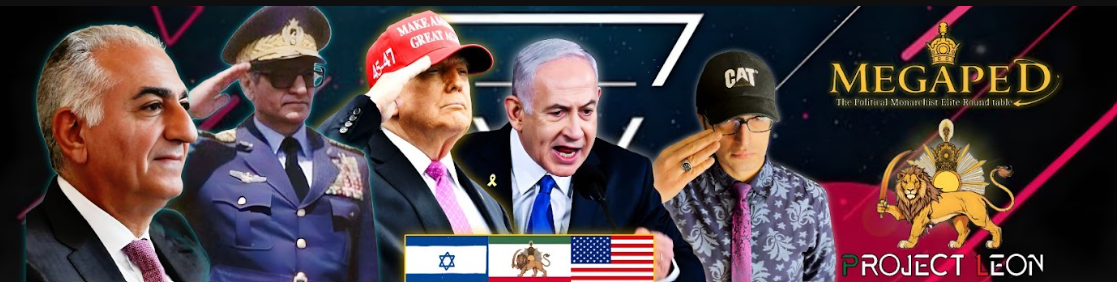

▶ Original broadcast in Farsi — English auto-generated subtitles enabled by default.
Watch on YouTube
The ongoing turbulence within the Iranian regime reveals a complex web of internal power struggles, strategic realignments, and external pressures. Recent developments, including the removal of several influential operatives and signs of a brewing civil conflict inside the regime’s core, underscore the fragility of Tehran’s hold on power. Simultaneously, geopolitical fault lines deepen with the fallout from the Trump-Netanyahu discord, further complicating the regional strategic landscape.
The Strategic Context
Iran’s political apparatus has long been characterized by factional infighting and competing centers of power, but recent events suggest a critical escalation. The regime’s internal cohesion is challenged not only by domestic dissent but also by external geopolitical pressures, notably from the United States and Israel. The Trump administration’s policies towards Iran, intertwined with Israeli security concerns and regional maneuvers, have exacerbated tensions within Tehran, exposing vulnerabilities that previously remained obscured.
El-Sisi’s Emerging Role and Internal Regime Purges
One of the less examined but pivotal actors in this unfolding drama is Abdel Fattah el-Sisi, Egypt’s president, whose influence in Middle Eastern geopolitics increasingly intersects with Tehran’s fate. Leon’s analysis highlights how el-Sisi’s strategic positioning and alliances contribute to the shifting balance of power, especially as Iran attempts to navigate a more hostile regional environment. Crucially, the regime has moved to remove several key figures—high-ranking officials and operatives who previously held significant sway within Iran’s security and intelligence apparatus. These purges reflect a desperate attempt to consolidate power amid rising internal dissent and potential civil conflict.
The mention of a “behind-the-scenes surrender” suggests factional compromises or capitulations within the regime’s elite, possibly linked to disagreements over how to respond to mounting economic hardships, popular unrest, and international isolation. Furthermore, the situation in Beirut—where Iranian proxies and allies maintain a foothold—serves as a barometer for regional influence and the spillover effects of Tehran’s internal strife.
What This Means
The internal fragmentation within Iran’s regime, combined with external geopolitical pressures, signals a period of increased instability and unpredictability. The removal of key regime players and the specter of civil conflict could weaken Tehran’s ability to project power regionally, potentially diminishing its influence in Lebanon, Syria, and beyond. Meanwhile, the discord between Trump and Netanyahu, two pivotal figures in shaping US-Israel policy towards Iran, introduces further strategic uncertainty. This rift not only complicates coordinated action against Iran but also affects broader regional security calculations.
Leon’s Assessment
From Leon’s perspective, these developments mark a critical inflection point for both the Iranian regime and its adversaries. The internal purges and fractures reveal a regime struggling for survival, increasingly isolated and prone to internal collapse. El-Sisi’s role, often underestimated, emerges as a significant factor in the regional chessboard, potentially offering avenues to counterbalance Iranian influence. The Trump-Netanyahu split, while seemingly a setback for a unified front, may inadvertently open strategic openings for recalibrated policies that leverage Iran’s internal vulnerabilities. Ultimately, the regime’s instability presents an opportunity for pro-democracy forces and allied nations to pressure Tehran towards meaningful change.
Leon is the founder and lead analyst of ProjectLeon International, specializing in Iranian geopolitics, the US-Israel-Iran strategic triangle, and the Iranian monarchist movement.