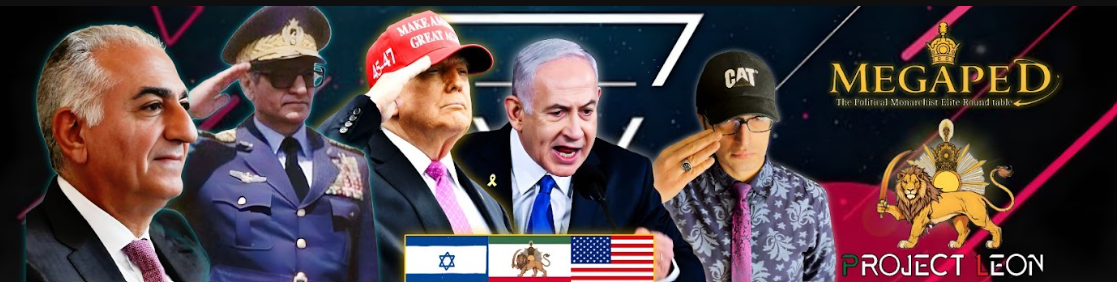

▶ Original broadcast in Farsi — English auto-generated subtitles enabled by default.
Watch on YouTube
The Strategic Context
The Middle East’s geopolitical landscape remains volatile as Iran’s ruling regime faces unprecedented internal pressures and external confrontations. Against the backdrop of intensifying US-Iran tensions and shifting alliances within the Gulf, maritime security has emerged as a critical flashpoint. The confluence of domestic unrest within Iran and its aggressive posture toward neighboring Arab states signals a precarious moment with far-reaching implications for regional stability.
Regime Collapse and Maritime Warfare: A Dual Front Challenge
Pilot Mehran’s latest update underscores the accelerating disintegration of the Iranian regime, driven by sustained internal dissent and economic stagnation exacerbated by international sanctions. This internal unraveling is unfolding in tandem with a marked escalation of hostilities at sea, where Iran and the United States are engaged in a shadow conflict over control and influence in critical waterways. Mehran highlights how these maritime skirmishes are not isolated incidents but part of a broader strategy by the regime to assert regional dominance and distract from its weakening domestic position.
Furthermore, Mehran draws attention to a recent surge in Iranian attacks targeting Arab states, reflecting Tehran’s attempt to destabilize its Gulf neighbors and undermine the emerging Arab-Israeli security cooperation framework. These offensive maneuvers underscore a regime increasingly desperate to maintain leverage through proxy confrontations, even as its conventional power erodes. The intertwining of internal collapse with external aggression paints a complex picture of a regime lashing out amid its decline.
What This Means
The convergence of internal regime fragility and external maritime conflict raises the stakes for all regional actors. Iran’s destabilizing actions at sea and against Arab neighbors threaten to trigger broader confrontations that could draw in the US and Israel more directly. The weakening regime’s belligerence may accelerate the timeline toward a regime change scenario, with unpredictable consequences for regional security and the global energy supply. Observers must monitor these developments closely, recognizing the potential for rapid shifts in alliances and conflict dynamics.
Mehran’s Assessment
From Pilot Mehran’s analytical vantage point, the current moment represents a pivotal inflection point. He asserts that the regime’s collapse is not a distant prospect but an imminent reality, fueled by compounded internal failures and exacerbated by external pressures. Mehran cautions that while the regime’s maritime aggression serves as a distraction tactic, it simultaneously risks provoking a decisive military response from the US and its allies. He advocates for a calibrated yet firm stance that supports pro-democracy movements within Iran while maintaining vigilance over the evolving security environment at sea and in the Gulf. Ultimately, Mehran’s perspective is clear: the fall of the Iranian regime is underway, and its desperate actions are reshaping the regional order in profound and dangerous ways.
Pilot Mehran is a military aviation analyst and co-host on ProjectLeon International, bringing firsthand expertise in aerial warfare, strategic air operations, and Iran’s military doctrine.