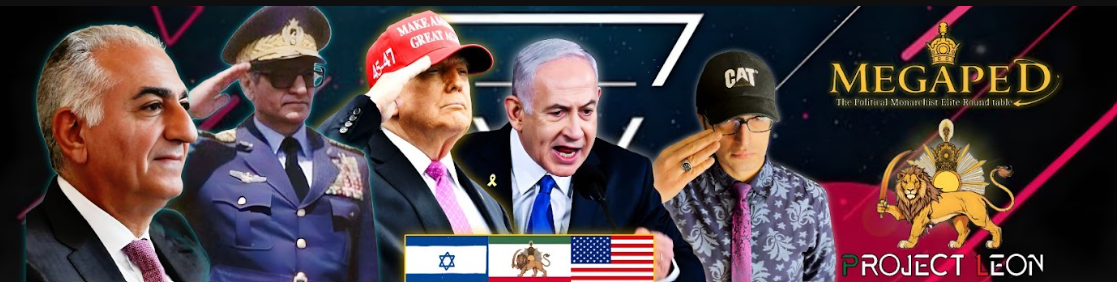

▶ Original broadcast in Farsi — English auto-generated subtitles enabled by default.
Watch on YouTube
As tensions escalate within the US-Israel-Iran strategic triangle, a notable rift between former Prime Minister Netanyahu and ex-President Trump has emerged, coinciding with the appointment of a new Mossad chief signaling a proactive stance toward regime change in Iran. This complex dynamic unfolds against the backdrop of Israel’s decision to arm Iranian opposition fighters, setting the stage for intensified covert and overt confrontations with Tehran.
The Strategic Context
The evolving geopolitical landscape surrounding Iran is marked by heightened discord not only between Tehran and its adversaries but also within the allied camp of Washington and Jerusalem. Former US President Donald Trump’s policies toward Iran, particularly his aggressive sanction regime and support for opposition forces, initially found strong backing from Netanyahu’s government. However, emerging disagreements and divergent strategic priorities have created fissures in this once tightly knit alliance. Concurrently, the leadership change in Mossad reflects a recalibration of Israeli intelligence and covert operations aimed at accelerating Iran’s destabilization from within, signaling a possible shift toward more direct involvement in arming dissident groups.
The Trump-Netanyahu Rift and Mossad’s New Direction
The discord between Netanyahu and Trump revolves around the approach and timing of actions against the Iranian regime. While Trump championed a hardline, immediate pressure strategy, Netanyahu’s stance has become more cautious, concerned about the regional fallout and international diplomatic repercussions. This divergence has complicated coordination between US and Israeli intelligence agencies and policy planners. Against this backdrop, the newly appointed Mossad director has publicly indicated readiness to intensify covert operations aimed at precipitating regime collapse in Tehran. This includes facilitating the arming and training of Iranian opposition fighters, a move that marks a significant escalation in Israel’s proxy engagement within Iran. The strategy seeks to leverage internal dissent and armed resistance to undermine the Iranian regime’s stability without triggering a full-scale regional war.
What This Means
The combination of a US-Israel leadership rift and Mossad’s assertive operational posture introduces both opportunities and risks. Israel’s support for Iranian dissidents could embolden internal opposition but also risks provoking harsh retaliatory measures from the regime. The discord between Trump and Netanyahu may hinder unified strategy execution, potentially allowing Tehran to exploit allied divisions. Moreover, the transition in Mossad leadership underscores a critical pivot toward more aggressive intelligence-led interventions, which could accelerate the timeline for regime destabilization but also increase the chances of miscalculation in a highly volatile region.
Leon’s Assessment
From my analysis, this period marks a critical inflection point in the anti-regime campaign against Iran. The rift between Trump and Netanyahu, while complicating alliance coherence, reflects deeper debates about the balance between military pressure and diplomatic caution. The new Mossad chief’s readiness to escalate covert operations and arm Iranian fighters is a clear signal that Israel is prepared to assume greater risk to achieve regime change objectives. This proactive posture aligns with a broader strategic calculus prioritizing the empowerment of Iranian dissidents as the most viable pathway to ending the clerical regime. However, success will depend on the ability of US and Israeli leadership to reconcile their differences and maintain operational synergy amid growing geopolitical complexities.
Leon is the founder and lead analyst of ProjectLeon International, specializing in Iranian geopolitics, the US-Israel-Iran strategic triangle, and the Iranian monarchist movement.